
Introduction
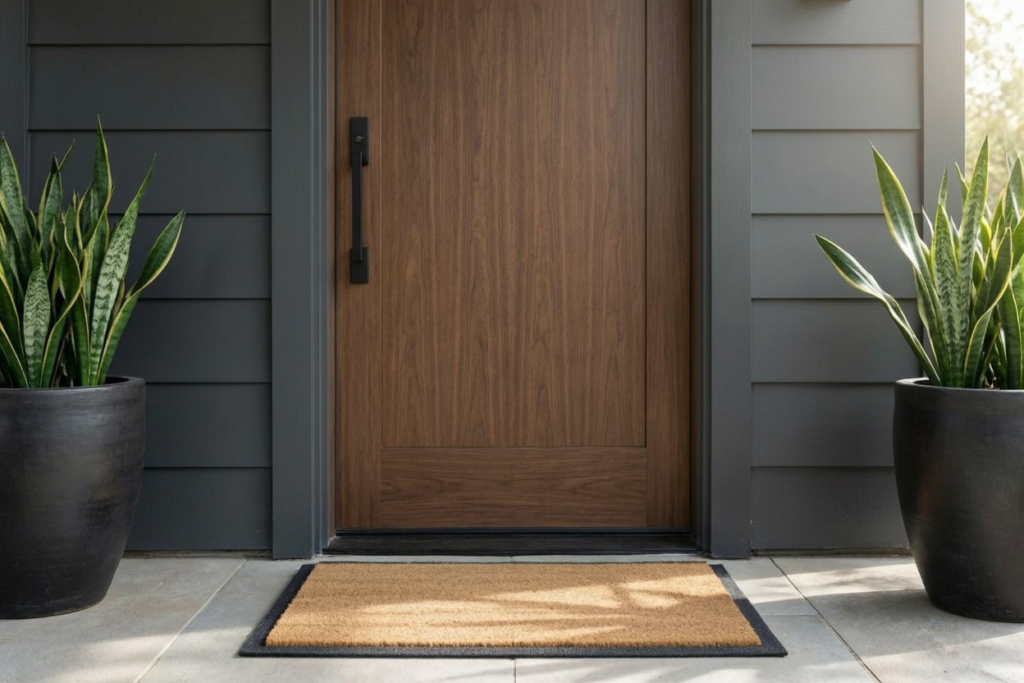
An Outdoor Doormat is one of the simplest ways to keep a home cleaner, safer, and more welcoming. Placed at entry points, these mats help trap dirt, dust, moisture, and debris before they reach indoor floors. They also improve the appearance of entrances by adding style and personality to outdoor spaces.
Today, homeowners use outdoor mats not only for practical reasons but also as part of modern home décor. From minimalist entryways to decorative porches, a well-chosen mat can make a strong first impression. Whether you need a waterproof outdoor mat for rainy weather or a decorative front door mat for curb appeal, there are many options available for every home and climate.
Table of Contents
What Is an Outdoor Doormat?
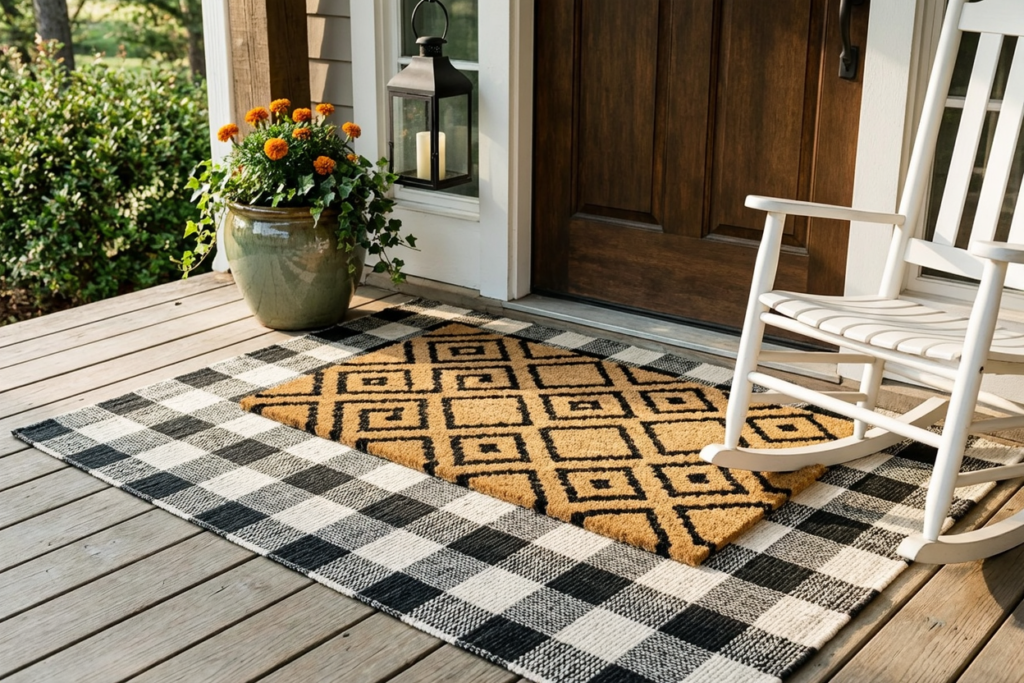
An Outdoor Doormat is a mat designed for exterior entrances to help remove dirt and moisture from shoes before entering a building. These mats are usually made from weather-resistant materials that can handle changing outdoor conditions.
Common Placement Areas
Outdoor mats are commonly used in:
- Front doors
- Patios
- Garages
- Balcony entrances
- Backyard doors
- Garden pathways
Some homeowners also place patio door mats near sliding glass doors to reduce dirt inside living spaces.
Benefits of Using an Outdoor Doormat
A quality entryway mat offers both practical and decorative advantages.
Dirt and Moisture Control
One of the main benefits is preventing dirt, mud, sand, and water from entering the home. This helps reduce cleaning time and protects indoor flooring.
Improved Safety
A non-slip doormat can reduce the risk of slips caused by wet shoes or slippery surfaces.
Protection for Indoor Floors
Outdoor mats help extend the life of hardwood, tile, carpet, and laminate flooring by minimizing dirt buildup.
Better Curb Appeal
A stylish outdoor welcome mat creates a warm and inviting entrance for guests.
Weather Resistance
Modern mats are designed to withstand rain, sunlight, snow, and changing temperatures.
Types of Outdoor Doormats
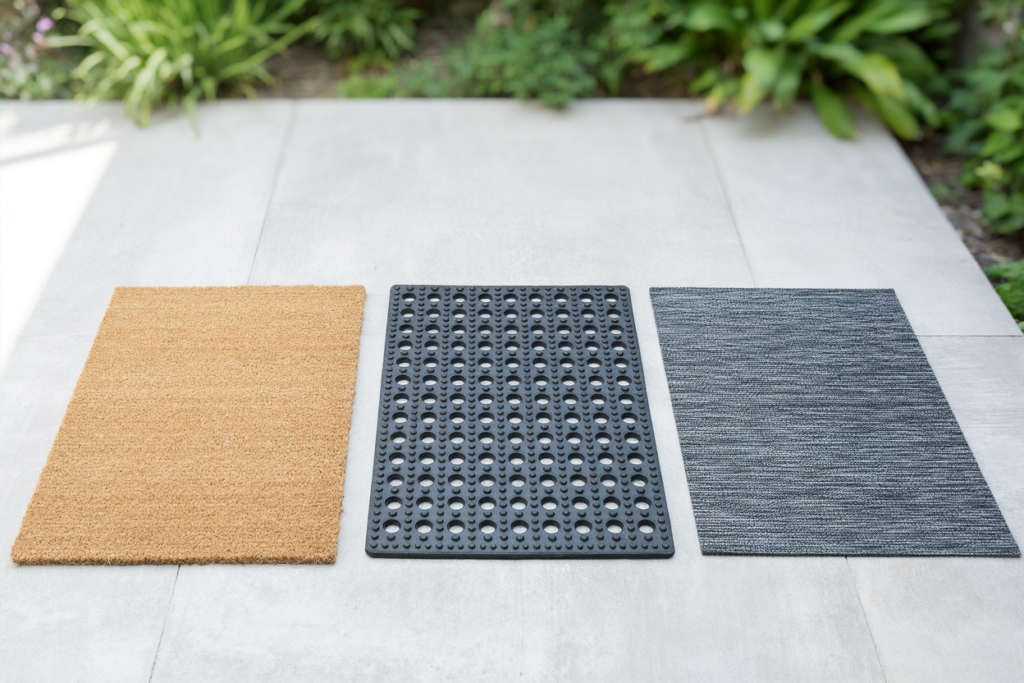
Different styles serve different purposes depending on weather, traffic, and design preferences.
Coir Doormats
Coir mats are made from coconut fibers and are popular for scraping dirt from shoes.
Best Features:
- Natural appearance
- Strong scraping texture
- Ideal for covered porches
However, they may wear faster in heavy rain.
Rubber Doormats
Rubber mats are durable and water-resistant.
Benefits:
- Excellent grip
- Easy to clean
- Long-lasting performance
These mats work well in wet climates and high-traffic areas.
Synthetic Fiber Mats
Synthetic mats made from polypropylene or polyester are lightweight and weather-resistant.
Advantages:
- Quick drying
- Mold resistant
- Easy maintenance
Waterproof Outdoor Mats
These mats are designed to handle heavy rain and moisture.
Ideal For:
- Rainy regions
- Pool areas
- Outdoor kitchens
Decorative Outdoor Welcome Mats
Decorative mats combine function with style.
Popular Designs:
- Simple text patterns
- Seasonal themes
- Geometric prints
- Neutral color palettes
Heavy-Duty Commercial Mats
Heavy-duty mats are designed for busy entryways and commercial spaces.
Common Uses:
- Offices
- Apartment buildings
- Garages
- Workshops
Best Materials for Outdoor Doormats
The material affects durability, comfort, cleaning, and weather resistance.
Coconut Coir
Coir is excellent for scraping mud and dirt from shoes.
Best For:
- Covered entryways
- Dry climates
Polypropylene
This synthetic material is highly resistant to water and mildew.
Benefits:
- Fade resistant
- Durable
- Lightweight
Rubber
Rubber is one of the most durable materials for outdoor use.
Advantages:
- Slip resistance
- Water resistance
- Strong grip on surfaces
Recycled Materials
Eco-friendly mats made from recycled rubber or plastic are becoming more popular.
Why Buyers Like Them:
- Sustainable production
- Long-lasting durability
- Reduced waste
Natural Fibers
Natural fiber mats offer an organic appearance and work well in decorative spaces.
How to Choose the Best Outdoor Doormat
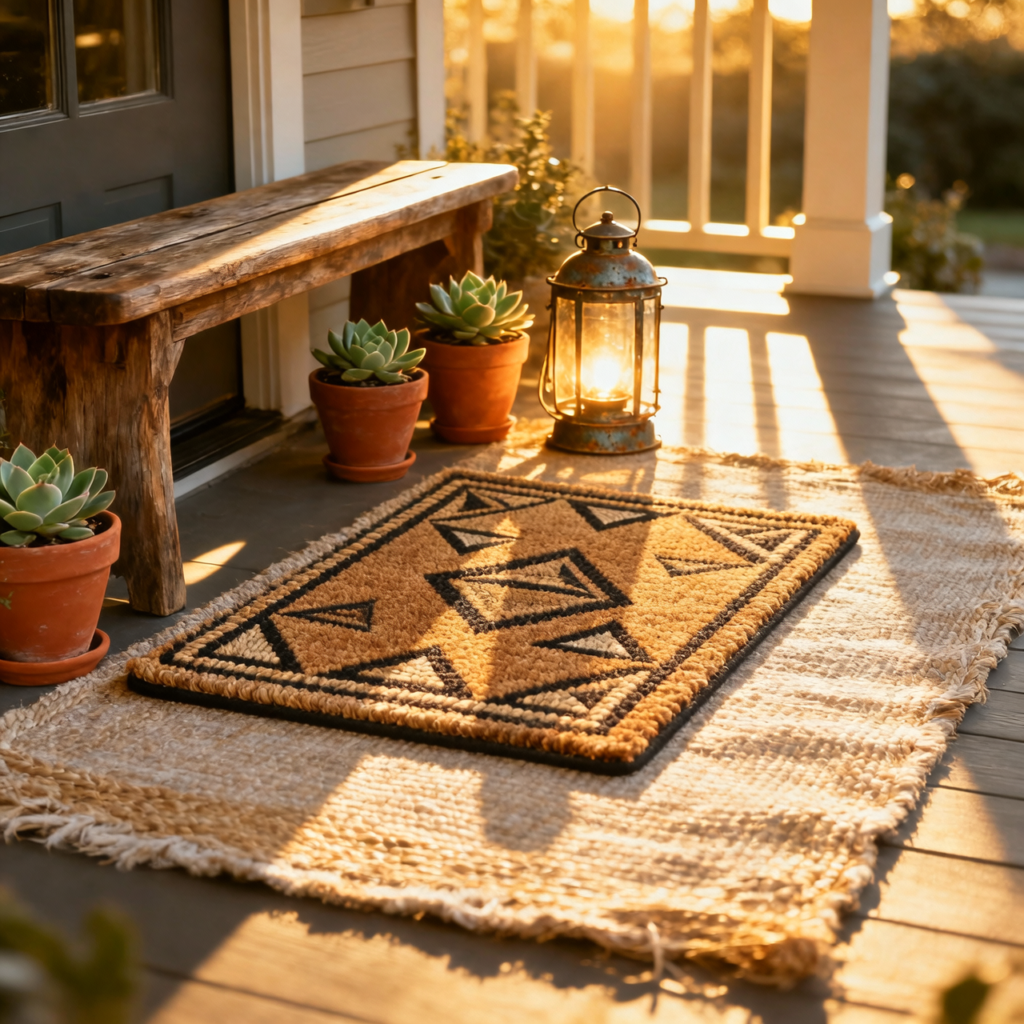
Selecting the right mat depends on location, climate, and daily use.
Size and Thickness
Choose a mat large enough for comfortable foot traffic.
Tip:
A mat should cover most of the doorway width without blocking the door swing.
Weather Durability
Homes in wet or snowy climates need more durable outdoor rugs with moisture resistance.
Drainage and Water Resistance
Good drainage prevents standing water and mold buildup.
Non-Slip Backing
A non-slip base improves stability and safety.
Choose colors and patterns that complement:
- Exterior walls
- Door color
- Outdoor furniture
Outdoor Doormat Design Trends
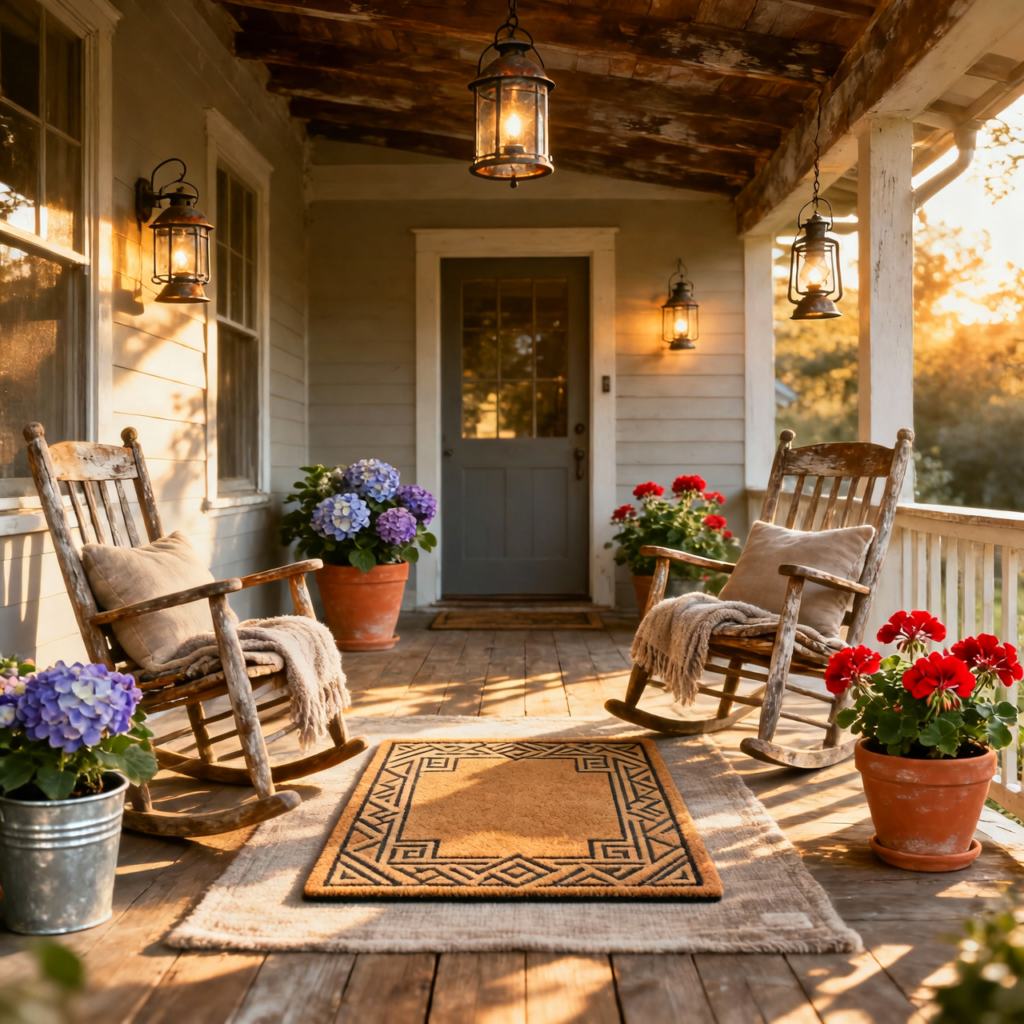
Modern outdoor decor has influenced mat designs in many creative ways.
Minimalist Styles
Neutral colors and clean patterns remain highly popular.
Personalized Welcome Mats
Custom text and monogram styles add personality to entrances.
Seasonal Designs
Many homeowners switch mats throughout the year for holidays and seasonal décor.
Eco-Friendly Mats
Sustainable materials are becoming more common in modern entryway styling.
Modern Geometric Patterns
Simple geometric prints create a modern and elegant appearance.
Cleaning and Maintenance Tips
Proper care helps mats stay clean and durable.
Shake or Vacuum Regularly
This removes loose dirt and debris quickly.
Hose Down Waterproof Mats
Rubber and synthetic mats can usually be rinsed with water.
Remove Mud Quickly
Allow mud to dry before brushing it away for easier cleaning.
Dry Completely
Always let mats dry fully before placing them back at entryways.
Seasonal Maintenance
Store lightweight mats indoors during extreme weather to extend their lifespan.
Outdoor Doormats for Different Weather Conditions
Different climates require different mat materials.
Rainy Climates
Choose:
- Waterproof outdoor mat
- Rubber backing
- Fast-draining materials
Snowy Regions
Heavy-duty mats with scraping surfaces work best in snowy conditions.
Hot and Dry Climates
UV-resistant synthetic mats help prevent fading and cracking.
Coastal Environments
Salt-resistant rubber and synthetic mats perform well near beaches and humid areas.
Eco-Friendly Outdoor Doormats
Sustainability is an important factor for many buyers today.
Sustainable Materials
Eco-friendly mats may include:
- Recycled rubber
- Natural fibers
- Recycled plastics
Environmentally Friendly Production
Some manufacturers reduce water use and chemical processing during production.
Tips for Eco-Conscious Buyers
Look for:
- Recycled content
- Long-lasting materials
- Minimal packaging
Material Comparison Guide
| Material | Best Feature | Best Location |
| Coir | Dirt scraping | Covered porches |
| Rubber | Water resistance | Rainy climates |
| Polypropylene | Quick drying | Outdoor patios |
| Recycled Rubber | Eco-friendly durability | Busy entryways |
| Natural Fibers | Decorative appearance | Light-use areas |
FAQ About Outdoor Doormats
What is the best material for an outdoor mat?
Rubber and polypropylene are excellent choices because they resist water and heavy wear.
Are coir mats good for rainy weather?
Coir mats work best in covered areas because constant moisture may reduce their lifespan.
How often should outdoor mats be cleaned?
Most mats should be cleaned weekly or more often during rainy or snowy seasons.
What size mat is best for a front entrance?
A mat should cover most of the doorway width while allowing the door to open easily.
Can outdoor mats prevent slipping?
Yes, a quality non-slip mat can improve safety by reducing slippery surfaces.
Conclusion
An Outdoor Doormat is a practical and stylish addition to any home entrance. It helps control dirt, improves safety, protects flooring, and enhances curb appeal. With many materials, sizes, and styles available, homeowners can easily find a mat that fits their climate and design preferences.
From heavy-duty rubber mats to decorative entryway designs, choosing the right option can improve both cleanliness and comfort. By considering durability, drainage, weather resistance, and maintenance needs, buyers can make a smart long-term investment for their home.