
Introduction
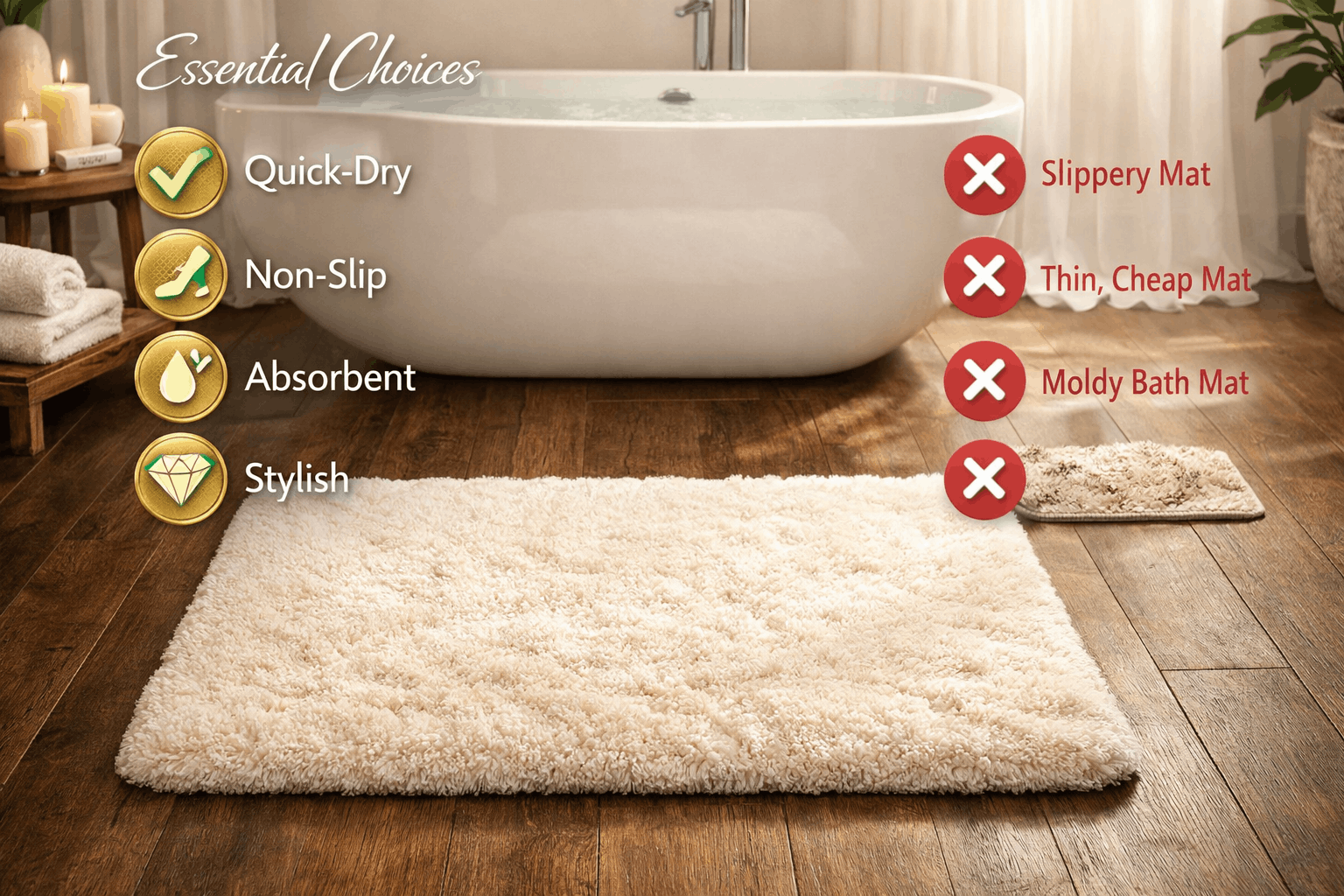
A bathroom floor is one of the most hazardous zones in any home. Best bath mats do much more than add a splash of color to your tile; they serve as a critical safety barrier, a moisture trap, and a soft landing pad for bare feet. Without a quality mat, stepping out of the shower becomes a slippery, unpleasant experience.
Choosing the right bathroom rug is essential for maintaining hygiene. A poor choice traps moisture, breeds odor-causing bacteria, and slowly damages your flooring. In this guide, you will learn exactly how to select the best bath mats for your unique space. We will cover the smartest materials, ideal sizing, absorbency levels, and maintenance routines. Most importantly, we will highlight the costly mistakes you must avoid to keep your bathroom safe, fresh, and inviting.
Why Choosing the Right Bath Mat Matters
Selecting a reliable mat transforms your daily routine. Here is why it requires careful consideration.
Slip Safety and Confidence
A solid non-slip bath mat provides stability when floors are slick. Trusting that your mat will not slide out from under you brings vital peace of mind, especially for children and the elderly.
Water Control
A highly water absorbent bath mat pulls moisture away quickly. This rapid absorption means floors stay dry, which drastically reduces the chances of dangerous mildew forming in the room.
Comfort Underfoot
Cold, hard tiles are shocking in the morning. The right mat offers a warm, cushioned barrier that makes your post-shower routine significantly more comfortable.
Floor Protection
Puddles ruin floor finishes. A quality mat acts as a sponge, protecting your grout, wood, or vinyl from long-term water damage.
Pro Tip: Always prioritize function over fashion. The most beautiful mat in the world is useless if it slides across wet tile.
Types of Best Bath Mats
Understanding the different categories helps you narrow down the best bath mats for your specific lifestyle.
Cotton or Terry Bath Mats (Classic Absorbency)
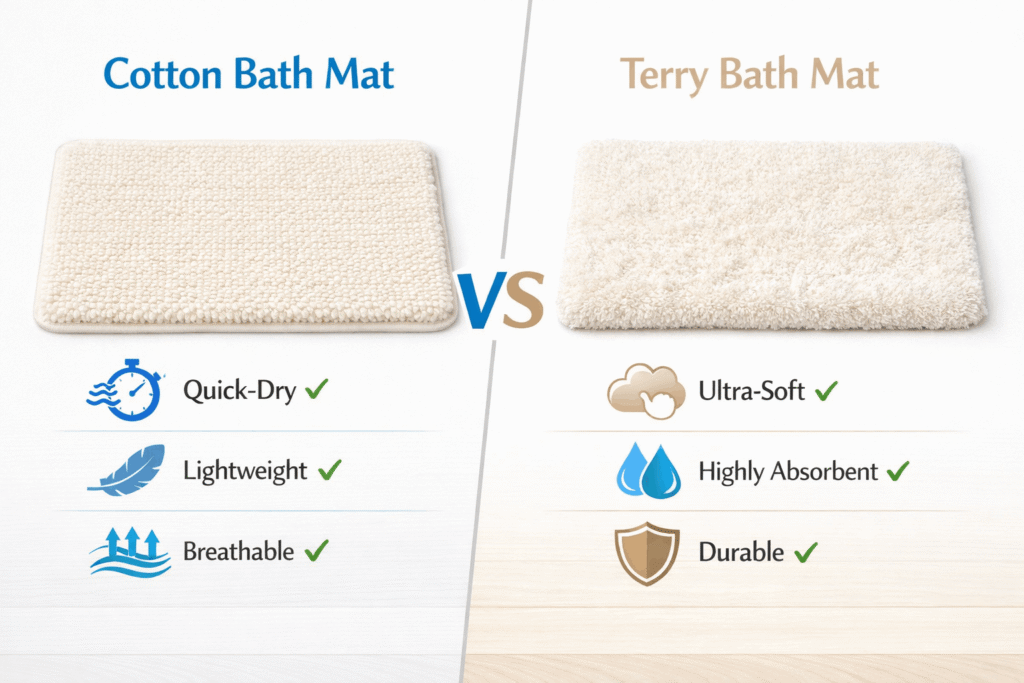
These mats feel like a thick, luxurious towel. They soak up water brilliantly and are incredibly soft.
Best For: Everyday family use in well-ventilated bathrooms.
Quick-Dry Bath Mats (Fast Drying)
Quick-dry bath mats utilize advanced microfibers or diatomaceous earth. They release moisture rapidly, preventing that heavy, damp feeling.
Best For: Humid climates and busy, shared bathrooms.
Memory Foam Bath Mats (Comfort + Cushioning)
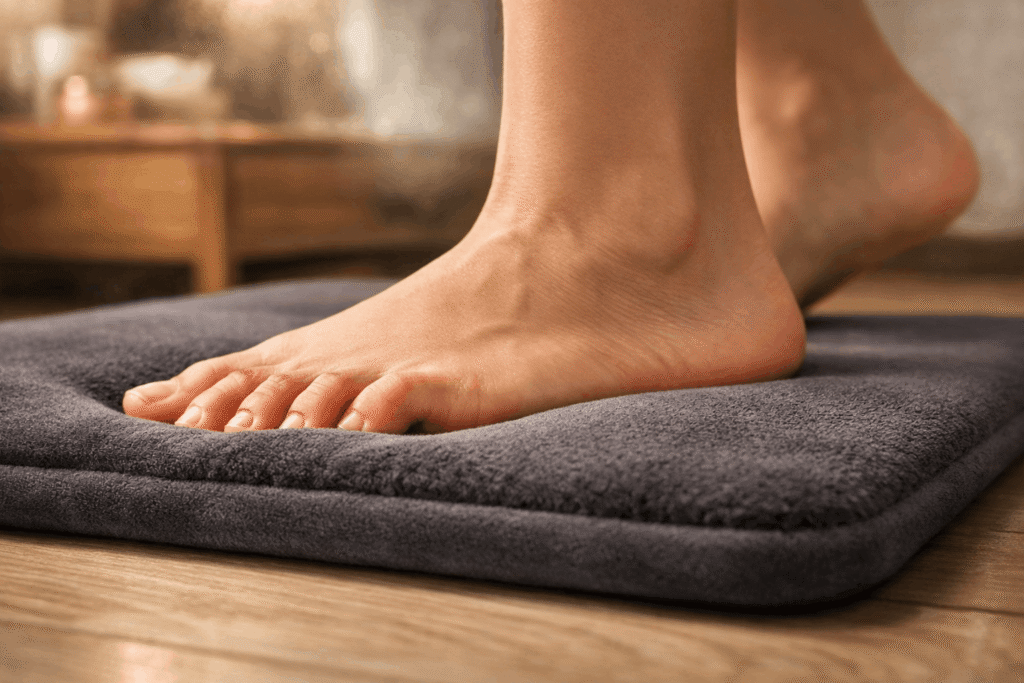
A memory foam bath mat provides unmatched, contouring support for your feet. They are thick, cozy, and often feature waterproof bases.
Best For: People who stand at the mirror for long periods.
Machine Washable Bath Rugs (Easy Care)
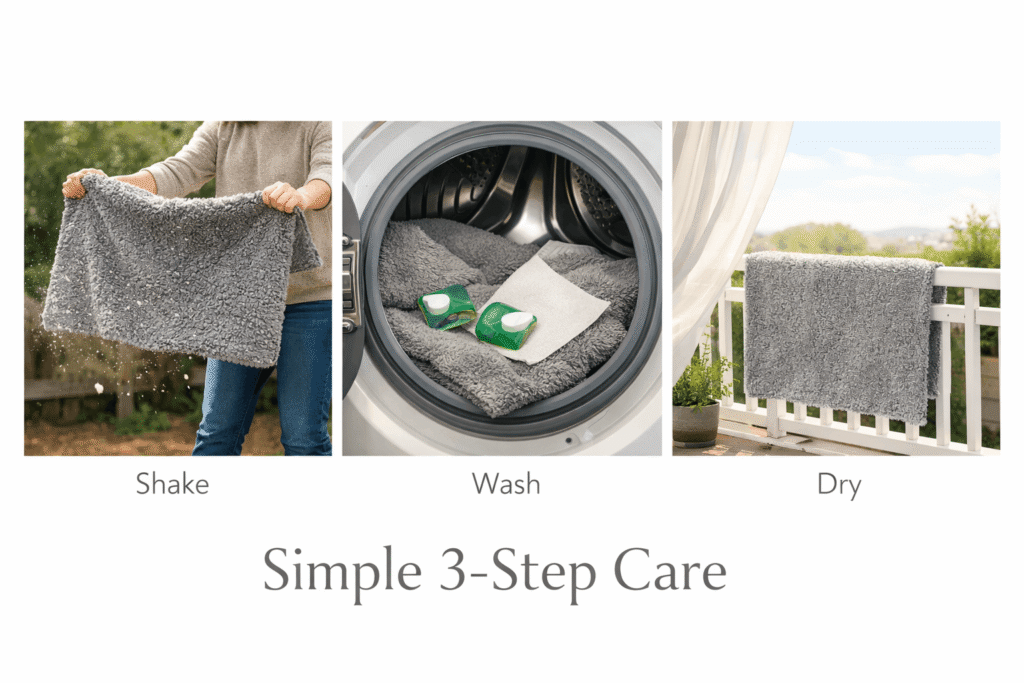
Designed for convenience, machine washable bath rugs can handle the heavy duty cycle of a washing machine without falling apart.
Best For: Homes with pets, children, or allergy sufferers.
Spa Style Bath Mats (Design + Texture)
Spa style bath mats feature elegant weaves, bamboo slats, or plush high-pile designs. They bring a luxury hotel aesthetic into your home.
Best For: Master suites where aesthetics are a top priority.
Indoor/Outdoor or Recycled Options (Durability)
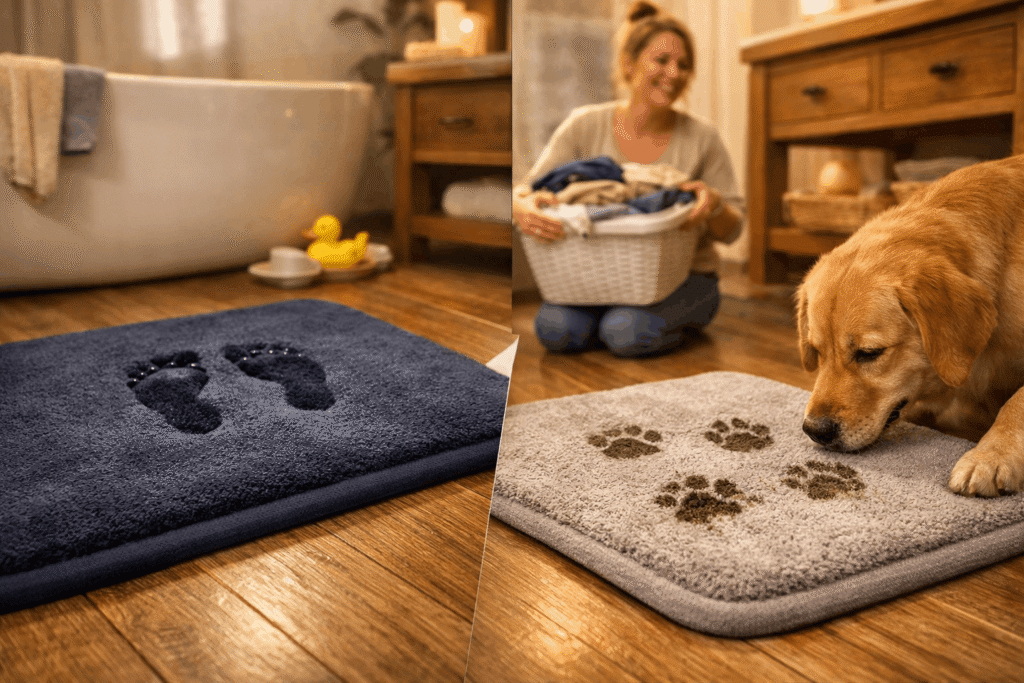
These mats use rugged, recycled synthetic fibers. They withstand heavy foot traffic and resist mold growth exceptionally well.
Best For: Mudrooms or bathrooms connected to outdoor pools.
Materials Comparison
Use this table to quickly compare the performance of different materials when shopping for the best bath mats.
| Material Type | Water Absorbency | Drying Speed | Non-Slip Performance | Easy Care Level | Best For |
| Cotton/Terry | High | Medium | Medium | High | Classic comfort |
| Microfiber | Very High | High | High | Very High | Fast drying needs |
| Memory Foam | Medium | Low | High | Medium | Plush cushioning |
| Diatomaceous | Instant | Instant | Very High | High | Ultra-fast drying |
| Recycled Blend | Low | High | High | Very High | Heavy traffic |
How to Choose the Best Bath Mats
Selecting the right mat requires balancing dimensions, grip, and thickness.
Bath Mat Sizes Guide
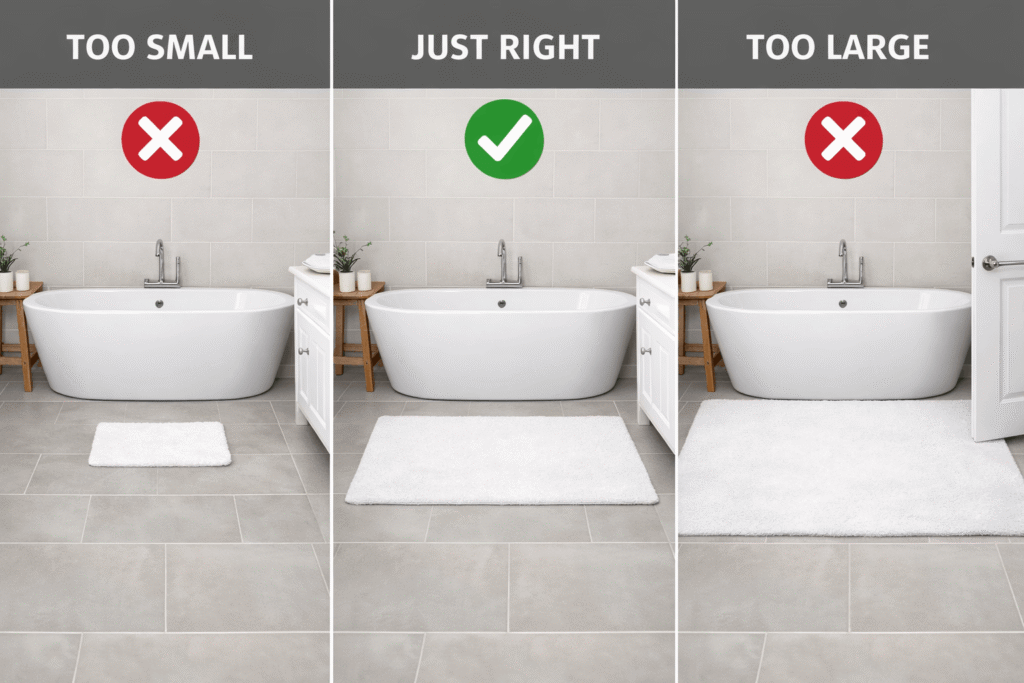
Finding the right fit prevents awkward placement. Follow this basic bath mat sizes guide:
- Small (17″ x 24″): Ideal for tiny bathrooms, pedestal sinks, or tight shower stalls.
- Medium (20″ x 32″): The standard size for most tub-shower combos.
- Large (24″ x 36″+): Perfect for double vanities or expansive walk-in showers.
Thickness Guidance
Thin mats dry faster and allow bathroom doors to swing open easily. Plush mats feel softer but require better ventilation to dry thoroughly.
Anti-Slip Backing Features
A reliable anti-slip backing is non-negotiable. Look for TPR (thermoplastic rubber) or textured latex, which grip smooth tile effectively.
Absorbency and Edge Design
Choose mats with bound, reinforced edges. If edges curl upward, they become a tripping hazard and allow water to pool underneath.
Sizing and Fit Method
- Measure the clear floor space directly in front of your tub or shower.
- Subtract two inches from the width to ensure the mat lays completely flat.
- Check the gap between the floor and the bottom of your bathroom door.
- Select a mat thickness that clears the door swing easily.
Pro Tip: If your bathroom lacks an exhaust fan, completely avoid thick memory foam mats, as they will trap moisture and develop odors quickly.
Cleaning & Maintenance
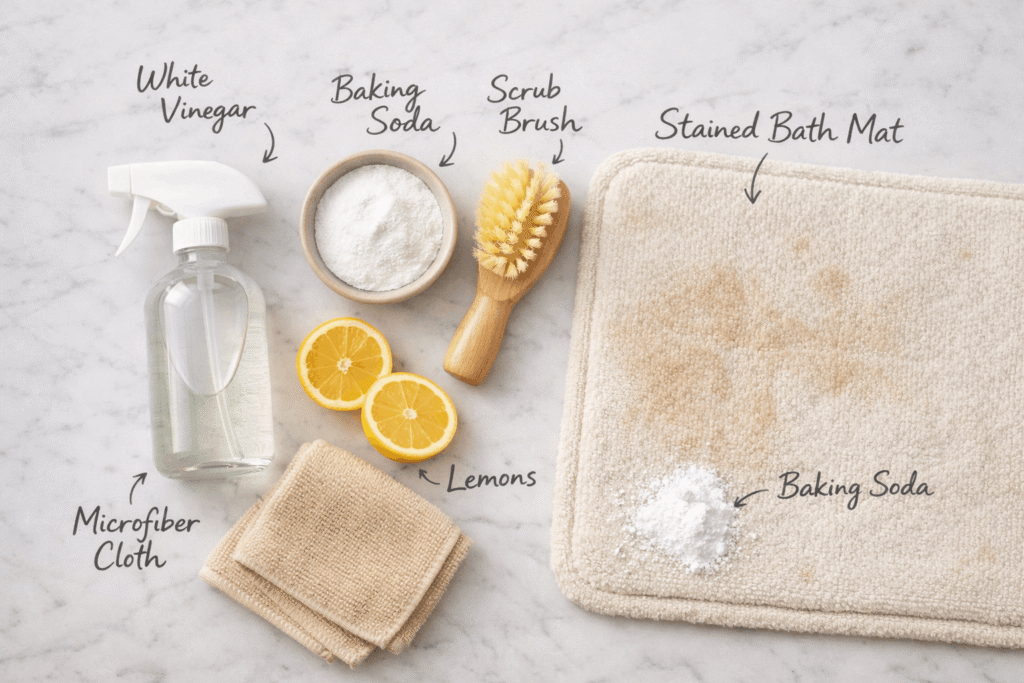
Even the best bath mats will fail without proper, consistent care.
How Often to Wash
Wash your mats every one to two weeks. In high-traffic or highly humid bathrooms, wash them weekly.
Machine vs. Hand Wash
Most cotton and microfiber mats thrive in a standard machine wash on a cold, gentle cycle. Delicate spa-style mats may require careful hand washing.
Drying Tips
Always shake the mat out to fluff the fibers. Tumble dry on a low setting or hang it over a shower rod to air dry. Never leave a damp mat crumpled on the floor.
What to Avoid
Never use harsh chlorine bleach; it degrades the rubber backing. Avoid fabric softeners, as they coat the fibers and destroy the mat’s ability to absorb water.
Common Mistakes to Avoid
Do not waste your money by falling into these common purchasing traps.
- Choosing a mat that stays wet too long: This guarantees a smelly, mildew-prone bathroom.
- Ignoring non-slip backing: A smooth-backed mat on wet tile is a serious safety risk.
- Picking the wrong size for the space: A tiny mat fails to protect your floor from splashes.
- Washing too rarely: Dead skin and soap residue build up, ruining the fabric’s texture.
- Buying low-quality material: Cheap foam flattens out entirely within a few weeks of use.
Budget vs Premium: What You Actually Get
Budget mats are acceptable for guest bathrooms used infrequently. However, they typically feature weak backings that peel after a few washes and thin fibers that flatten quickly.
Premium best bath mats utilize high-density fibers, superior TPR rubber backings, and reinforced stitching. A premium mat feels softer, grips the floor tighter, dries faster, and survives years of machine washing. Investing slightly more upfront saves you from replacing a cheap mat every six months.
Best Bath Mats for Different Bathroom Situations
Match the mat directly to the environment it will live in.
- Small bathroom: A thin, quick-drying microfiber mat saves space and clears the door.
- Shared family bathroom: Heavy-duty cotton offers high absorbency for multiple showers.
- Kids and pets: Rugged, machine-washable blends handle frequent messes easily.
- Renters: Lightweight, versatile mats are easy to pack and move.
- Humid climates: Diatomaceous earth or ultra-thin quick-dry mats prevent m
Quick Buying Checklist
Run through this list before you click purchase.
- Measured the exact landing zone outside the shower.
- Confirmed the mat has a textured, anti-slip backing.
- Verified the thickness clears the bathroom door swing.
- Checked that the material matches your bathroom’s ventilation.
- Ensured the edges are securely bound and flat.
- Confirmed the care instructions allow for easy washing.
- Avoided materials that trap heat if your bathroom is very humid.
- Read reviews specifically mentioning “grip” and “drying speed.”
- Set a budget that allows for a durable, long-lasting product.
- Picked a color that hides minor footprints between washes.
FAQ
Are non-slip bath mats actually safe?
Yes, provided the backing is made from high-quality rubber or TPR. You must also ensure the floor is dry before placing the mat down initially.
Do quick-dry bath mats prevent mildew?
Yes. Mildew requires lingering moisture to grow. Fast-drying materials remove that moisture quickly, stopping mildew before it starts.
Is a memory foam bath mat good for wet floors?
It is only good if the underside is completely waterproof. If the foam itself soaks up floor water, it becomes heavy and difficult to dry.
What size should I buy?
Consult our bath mat sizes guide. A 20″ x 32″ mat is the standard safe choice for most average-sized tubs and showers.
How often should I wash?
Aim for every one to two weeks. Wash immediately if the mat becomes heavily soiled or stays damp for more than a day.
Conclusion
Finding the best bath mats is a simple upgrade that dramatically improves your home’s safety and hygiene. By understanding the differences in materials, measuring accurately, and prioritizing strong anti-slip backings, you protect your family and your floors.
Take the time to evaluate your bathroom’s humidity and traffic levels, and avoid the common mistakes that lead to soggy, ruined rugs. When you invest in the best bath mats suited for your specific lifestyle, you guarantee a comfortable, secure, and refreshing start to every single day.