
Introduction
“Your living room can have everything right — and still feel wrong. Nine times out of ten, the floor is the problem.”
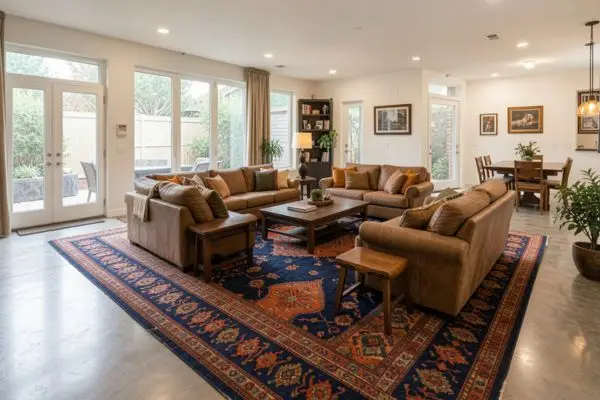
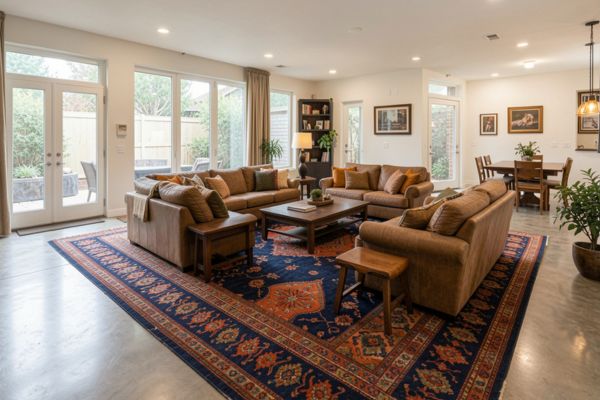
Think about the last time you walked into a beautifully designed living space. Chances are, a stunning living room rugs was sitting right at the heart of it, holding everything together. The right rug adds warmth, creates visual focus, and instantly makes a room feel complete.
Yet so many homeowners get it wrong. They buy a rug that’s too small, choose a pattern that clashes with the sofa, or grab the cheapest option only to replace it within a year. These are costly — and avoidable — mistakes.
This ultimate guide solves all of that. Whether you’re decorating for the first time or refreshing a tired space, you’ll walk away knowing exactly how to choose a living room rugs that looks anything but cheap or boring.
Why Living Room Rugs Matter
A living room rugs isn’t just a decorative accessory — it’s a functional design tool. It works hard in ways most people never think about.
Zone definition. In open-plan homes, a rug draws a visual boundary between the living area and the dining or kitchen space. No wall needed — the rug does the work silently and beautifully.
Furniture anchoring. Furniture placed on or near a living room rugs looks intentional and grouped. Without it, even expensive pieces tend to look scattered and disconnected.
Warmth and comfort. Hard flooring — tile, hardwood, or concrete — feels cold underfoot, especially in winter. A quality rug adds a layer of physical warmth and makes the whole room feel more inviting.
Noise reduction. Rugs absorb sound. If your living room echoes during conversations or movie nights, a thick living room rugs significantly reduces that reverberation — something no piece of furniture can do alone.
Floor protection. Heavy sofa legs dragging across hardwood cause scratches and wear over time. A rug acts as a buffer, protecting your floor investment for years.
Types of Living Room Rugs
Not all living room rugs are built the same. Knowing the types helps you match the right style to your space and lifestyle.
Area Rugs
The most versatile option on the market. Area rugs come in every size, shape, material, and style imaginable. They suit practically any living room layout, making them the go-to choice for most homeowners. If you’re unsure where to start, an area rug is your safest bet.
Shag Rugs
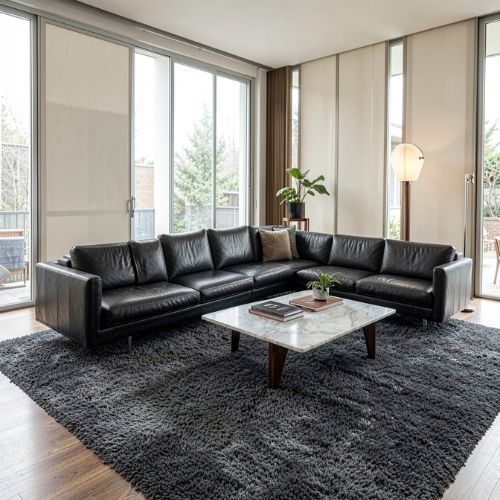
Shag rugs feature long, thick pile fibers that feel incredibly soft and plush underfoot. They add instant coziness and a relaxed vibe — perfect for modern, bohemian, or Scandinavian-inspired interiors. Keep in mind that shag rugs require more frequent vacuuming, as debris hides easily in the deep pile.
Flatweave Rugs
These low-profile rugs have little to no pile, making them easy to clean and extremely durable. A flatweave living room rug suits high-traffic homes, families with pets, or anyone who wants a stylish but low-maintenance option. They’re also reversible — which effectively doubles their usable life.
Persian and Oriental Rugs
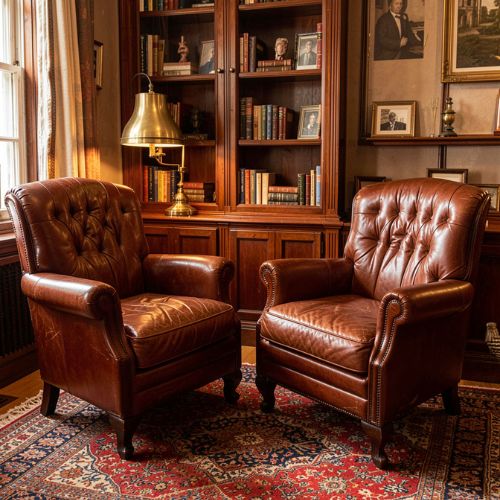
Rich in pattern and heritage, Persian and Oriental-style living room rugs bring timeless elegance to any space. Their intricate geometric or floral designs add depth and sophistication. They work beautifully in both traditional and modern eclectic interiors and tend to look better with age.
Runner Rugs
Runners are long, narrow rugs traditionally used in hallways — but they work surprisingly well in open-plan living rooms too. Placing two runners parallel to a sofa creates a structured, editorial look that feels deliberate and design-forward.
How to Choose the Right Size
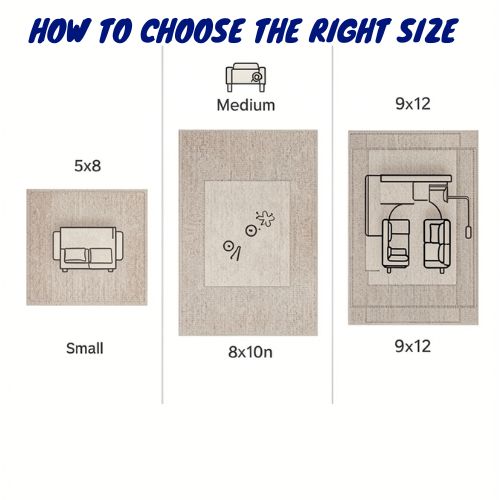
Rug size is where most buyers go wrong. A living room rug that’s too small makes the entire room feel disconnected and unfinished — regardless of how nice the rug itself looks.
There are three common placement approaches, each requiring a different size:
All legs on the rug — Every piece of furniture sits fully on the rug. This creates a formal, anchored look. You’ll typically need a 9×12 ft rug or larger for a standard living room.
Front legs only — Only the front two legs of the sofa and chairs touch the rug. This is the most popular approach. It connects the furniture to the rug without requiring an enormous size — an 8×10 ft living room rug works well for most rooms.
Floating rug — The rug sits under the coffee table only, with all furniture legs off it. This only works in very large rooms. In smaller spaces, it reads like a postage stamp.
| Room Size | Recommended Rug Size |
| Small living room | 5×8 ft |
| Medium living room | 8×10 ft |
| Large living room | 9×12 ft |
| Open-plan space | 10×14 ft or larger |
Always measure your room before buying — and when in doubt, go one size larger.
Best Materials for Durability and Style
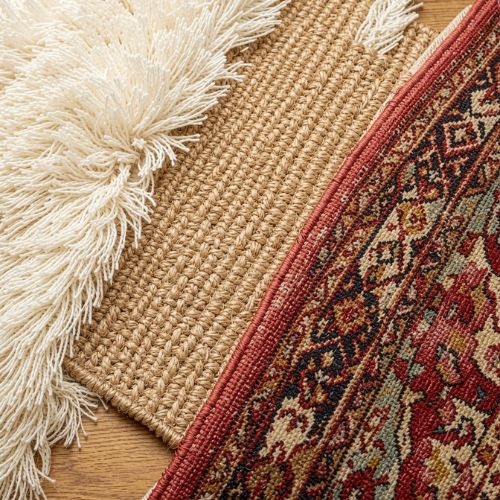
The material of your living room rugs determines how it looks, feels, and ages. Here’s an honest breakdown of the five most common options:
| Material | Pros | Cons |
| Wool | Soft, durable, naturally stain-resistant, improves with age | Higher upfront cost |
| Cotton | Affordable, machine-washable, lightweight | Flattens faster under heavy foot traffic |
| Jute | Natural texture, eco-friendly, extremely sturdy | Rough underfoot, absorbs moisture easily |
| Synthetic | Budget-friendly, stain-resistant, wide variety of styles | Less breathable, can feel synthetic underfoot |
| Silk | Luxurious sheen, intricate patterns, visually stunning | Delicate, expensive, not suited for high traffic |
The smart pick: Wool is the gold standard living room rugs material for most homes. It handles foot traffic beautifully and gets better over time. Synthetic options are ideal for families with young kids or pets.
Color and Pattern Tips
Color is personal — but a few practical rules can save you from a costly regret with your living room rugs.
Start with what you already own. Pull a secondary color from your sofa, curtains, or throw pillows and let it guide your rug choice. A rug that echoes an existing accent unifies the whole room without any extra effort.
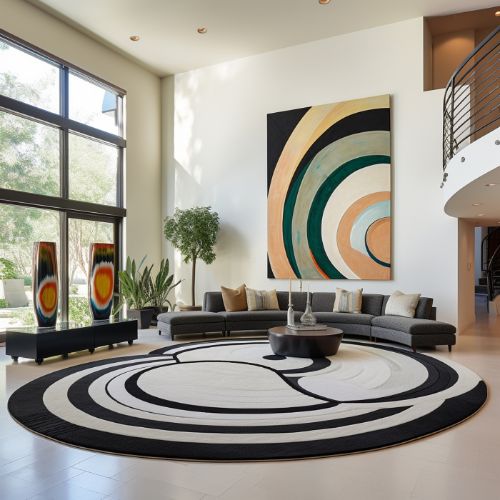
Let patterns balance each other. A bold patterned rug pairs best with a solid sofa. A solid rug gives a patterned sofa room to breathe. Mixing two large patterns in the same space usually creates visual noise rather than harmony.
Use tone to control scale. Light neutrals — cream, warm beige, soft gray — make a small living room feel larger. Deep jewel tones add richness and intimacy to large, high-ceilinged spaces. When truly in doubt, a warm neutral living room rug never fails.
Budget-Friendly vs. Premium Picks
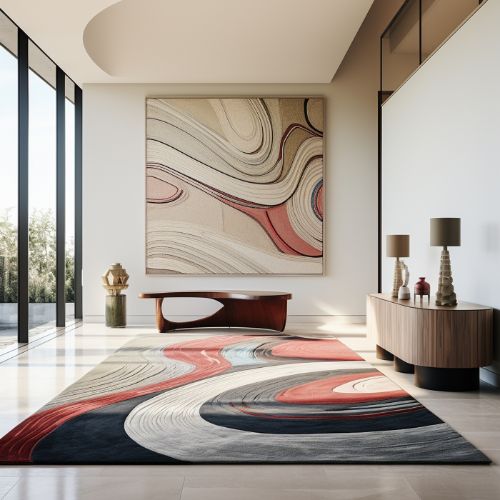
You don’t need to spend a fortune on a living room rug — but you do need to spend wisely.
Under $150: Synthetic rugs at this price point can look surprisingly good. Stick to simple patterns and neutral tones, which tend to hide quality limitations. Avoid very pale colors at this range — they show wear and soil quickly.
$150–$500: This is the sweet spot for most homeowners. You’ll find solid wool-blend options, quality flatweaves, and attractive Persian-style living room rugs that hold up well over several years of daily use.
$500 and above: Hand-knotted wool and natural-fiber rugs at this tier are genuine long-term investments. They age with character, retain value, and often become the signature piece of the room.
One golden rule: spend a little more than you think you need to. A quality living room rugs outlasts three cheap ones — and looks considerably better throughout its entire life.
Care and Maintenance Tips
Keeping your living room rugs looking its best takes consistent — but minimal — effort.
Vacuum weekly on a low-suction setting; avoid the beater bar on shag or delicate rugs. Rotate every 6–12 months to even out foot traffic and prevent uneven sun fading. Blot spills immediately — never rub; always work from the outside of the stain inward.
Use a rug pad underneath. It prevents slipping, protects your floor, and significantly extends the rug’s life. For wool or natural-fiber rugs, schedule a professional clean once a year. A small amount of regular care keeps even a budget rug looking sharp for years.
Conclusion
The right living room rugs changes everything.
It anchors your furniture, defines your zones, adds warmth underfoot, and gives your room a finished, intentional feel. Start with the right size, choose a material that matches your lifestyle, and pick a color that works with what you already own.
Whether you’re working with a modest budget or ready to invest in something that lasts decades, the perfect living room rug for your space exists — and now you know exactly how to find it. Measure your room, revisit the size guide above, and start shopping with genuine confidence.