
1.Introduction
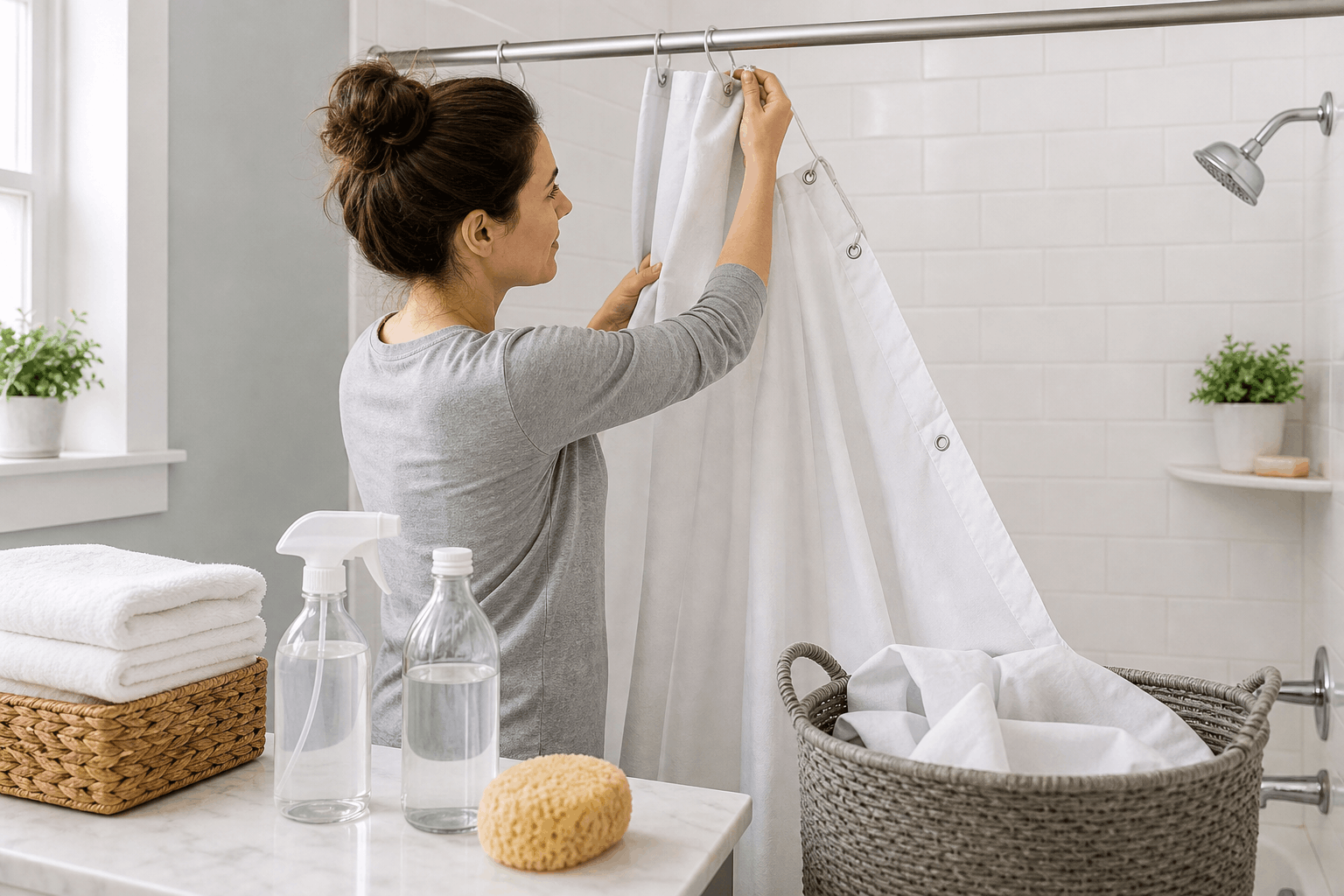
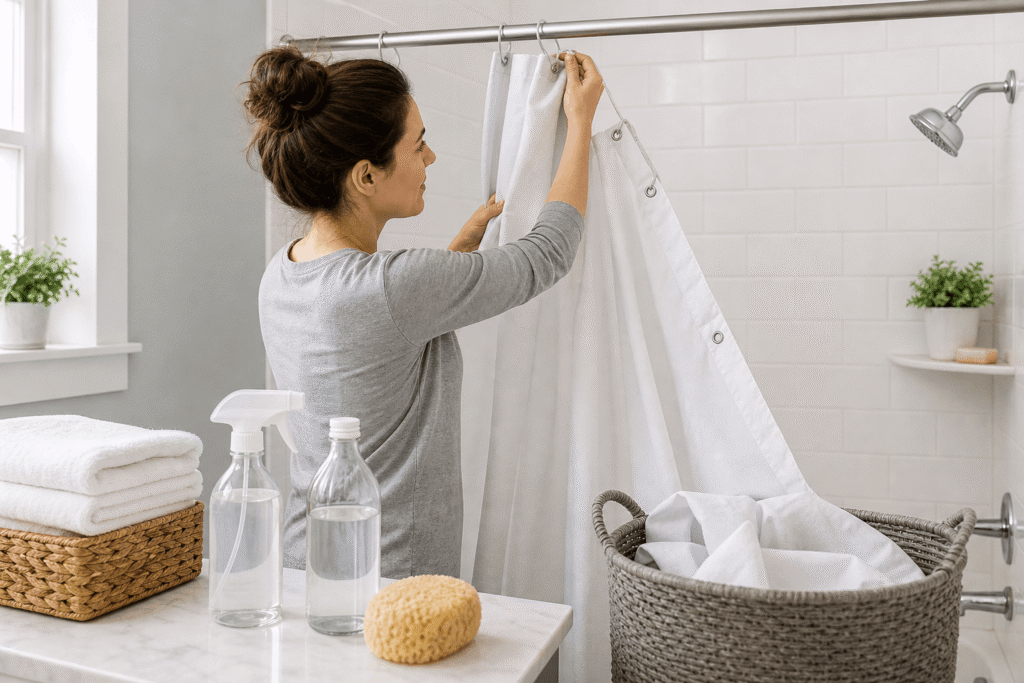
We have all been there. You step into the tub, pull the curtain closed, and find yourself staring directly at a patch of slimy pink soap scum or dark, speckled mold. Learning how to clean a shower curtain is one of those basic housekeeping skills that keeps your sanctuary feeling fresh, hygienic, and inviting.
Your bathroom window treatments generally fall into two categories: outer decorative fabric curtains and inner waterproof plastic or vinyl liners. Neglecting either layer does more than hurt your bathroom aesthetics; it creates a genuine indoor air quality hazard by letting fungal spores and bacteria multiply in your daily breathing zone.
In this professional guide, I will share my time-tested secrets on how to clean a shower curtain using material science and simple household staples. You will learn step-by-step cleaning routines for every material type, discover which chemicals to avoid, and master the art of long-term mildew prevention.
2.Understanding the Enemy: Why Shower Curtains Get Dirty (The Science)
Before we start cleaning, we need to understand what we are actually fighting. Your daily shower creates a micro-climate that is highly attractive to biological growth and mineral accumulation. Knowing how to clean a shower curtain starts with identifying these three common culprits:
- Soap Scum: This is not just dried soap. It is a chemical compound formed when the calcium and magnesium in your tap water bind with the fatty acids in your bar soaps and body washes. It creates a sticky, dull film that acts as glue for dust and skin cells.
- Mold and Mildew: These are fungal organisms that thrive in warm, humid, and dark spaces. They feed on soap scum, body oils, and dead skin cells. That pink or orange slime you see is often Serratia marcescens, a bacterium that loves damp environments.
- Hard Water Stains: If you see white, chalky crusts or rusty orange streaks at the bottom of your liner, you are dealing with mineral deposits left behind when standing water droplets slowly evaporate.
3. Data Visualizations & Care Matrix
To help you choose the safest and most effective strategy, let us look at the data behind common cleaning agents and materials.
Visual 1: The Cleaning Agent Showdown
Below is a visual representation of how common household cleaning agents perform. The score evaluates how effectively they break down soap scum and mold without damaging fabric or delicate plastic.
Visual 2: Material Care Matrix
This reference table outlines the precise limitations of different common curtain textiles.
| Material Type | Can Machine Wash? | Heat Tolerance | Bleach Safe? | Best Drying Method |
| Fabric (Cotton/Linen) | Yes (Warm Cycle) | High | Yes (Color-Safe) | Tumble Dry Low / Air Dry |
| Polyester (Synthetic) | Yes (Warm Cycle) | Medium | Only Diluted | Air Dry (Dries very fast) |
| PVC Vinyl (Plastic) | Yes (Cold Only) | Extremely Low | NO (Will yellow/crack) | Air Dry (Hang in place) |
| PEVA / EVA | Hand Wash Preferred | Extremely Low | NO (Degrades polymer) | Air Dry (Hang in place) |
| Hemp / Organic | Yes (Gentle Cold) | Medium | NO (Damages fibers) | Line Dry Only |
4. Step-by-Step Guides
Now let us dive into how to clean a shower curtain based on its specific material composition.
A. How to Clean a Plastic or Vinyl Liner (The Standard)
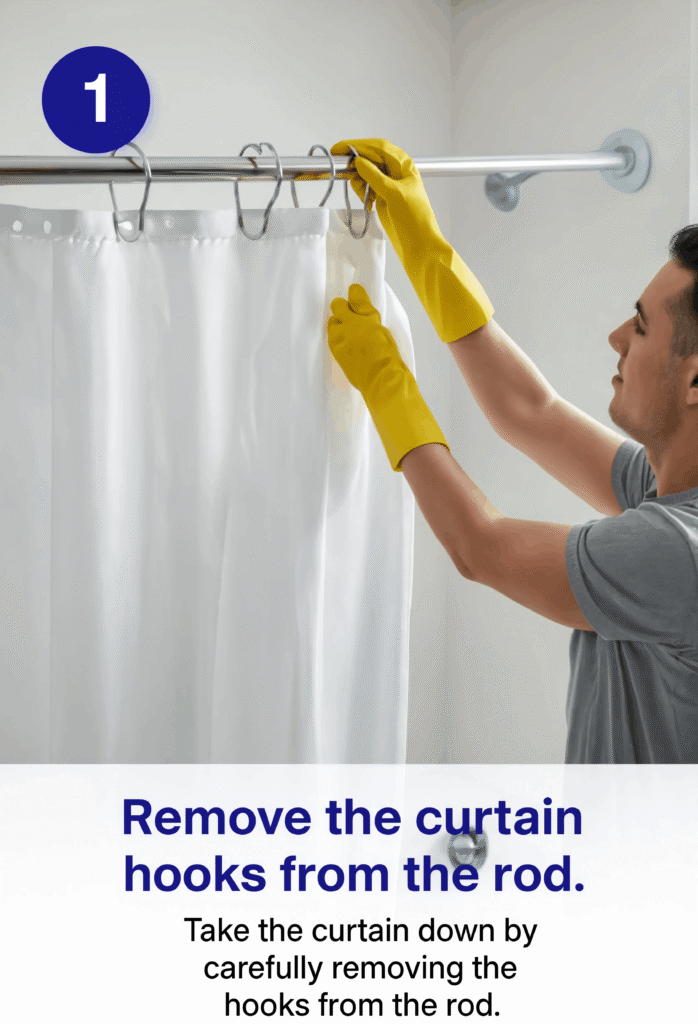
A classic plastic liner is highly effective at stopping water, but its static charge attracts dust and soap residue quickly. Here is the best way to clean a plastic curtain liner without tearing it:
- The Bathtub Soak (Light Soil): Fill your bathtub with warm water and add one cup of white vinegar and half a cup of baking soda. Submerge the liner and let it soak for 30 minutes, then scrub gently with a soft sponge before rinsing.
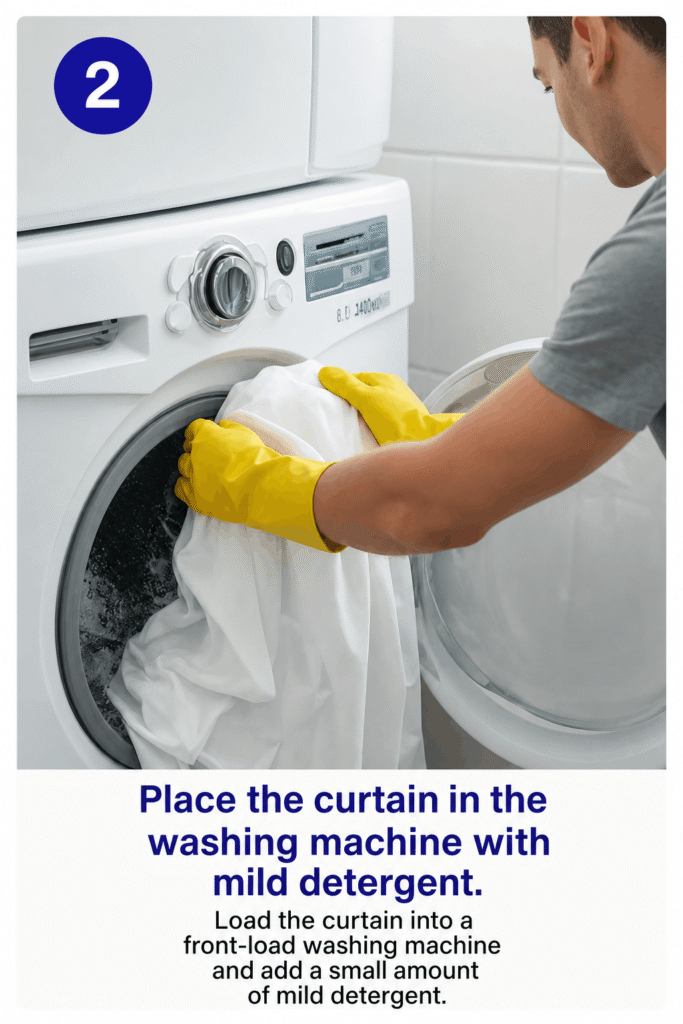
- The Washing Machine Method (Medium to Heavy Soil): If you are washing shower curtains in machine, always wash them on a gentle, cold cycle.
- The Towel Buffer Trick: Add two large, clean bath towels to the wash load. The towels act as soft mechanical scrubbers that rub against the plastic to wipe away scum without scratching the delicate surface.
- Removing Yellowing: To restore a yellowed white liner, rub a paste of fresh lemon juice and baking soda onto the discolored spots, let it sit for 15 minutes, and rinse with cold water.
B. How to Clean a PEVA / EVA “Eco-Friendly” Liner
PEVA (Polyethylene Vinyl Acetate) is a non-chlorinated plastic that has largely replaced toxic PVC in modern bathrooms. However, you must use specific PEVA vs vinyl care strategies because PEVA is highly sensitive to heat and friction.
- WARNING: Never put a PEVA liner in the washing machine or dryer. The heat and spin cycle can easily melt, warp, or permanently crease the material.
- Hand Wash Technique: Lay the PEVA liner flat on your bathroom floor or clean lawn. Spray it with a mix of warm water and three drops of mild dish soap. Wipe down with a soft microfiber cloth, rinse with cool water, and hang it up immediately.
C. How to Clean Heavy Fabric Curtains (Cotton/Polyester/Linen)
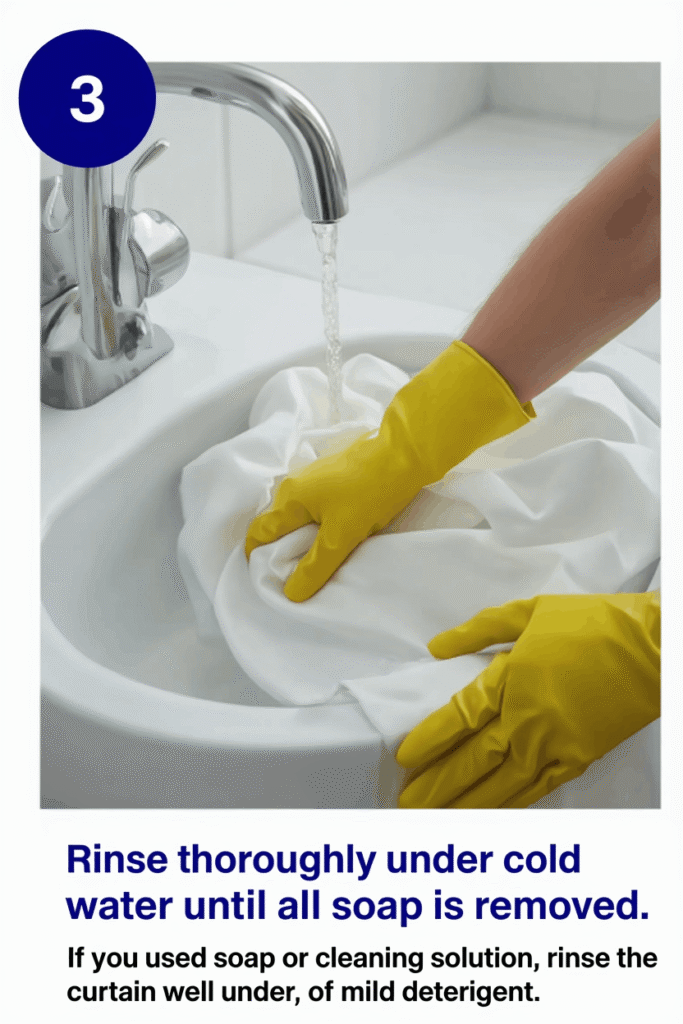
Woven outer curtains need regular fabric curtain maintenance to prevent mold from settling into the porous fibers.
- Prep the Hardware: Remove the curtain and inspect the top edge. If you have metal grommets, wrap a clean rubber band or cloth around them to stop them from banging loudly against the washing machine drum.
- Wash Cycle: Wash on a gentle cycle using warm water for polyester, or cold water for delicate natural linen. Add your regular liquid detergent.
- Rust Prevention: If your metal grommets are showing signs of oxidation, wipe them with a tiny drop of mineral oil after washing to protect them from future moisture.
- Ironing: If your cotton or linen curtain wrinkles, iron it on the lowest heat setting while it is still slightly damp. Avoid ironing polyester, as synthetic fibers melt easily.
D. Deep Cleaning for Severe Mold/Mildew
If your liner is covered in dark stains, you need a targeted strategy to remove mold from shower curtain fibers safely.
- Hydrogen Peroxide Spray: Spray 3% hydrogen peroxide directly onto the mold spots. Let it bubble for 10 minutes, scrub with a clean toothbrush, and rinse.
- Borax Paste: For tough stains on fabric, mix equal parts borax and water into a thick paste. Spread it over the mildew, let it dry completely, brush off the powder, and wash as normal.
- The Reality Check: If the mold has penetrated deep into a cheap plastic liner and turned black or gray, it is safer to recycle it and buy a fresh one. Your respiratory health is worth more than a ten-dollar liner.
5. Common Cleaning Mistakes
When learning how to clean a shower curtain, avoiding these five common errors will save you time, money, and frustration:
- Using Hot Water on Plastic: Hot water will permanently warp PVC and turn PEVA into a crinkled, ruined mess. Always stick to cold or lukewarm water.
- Putting Plastic in the Dryer: This is a fire hazard and will melt your liner onto the dryer drum. Always hang plastic liners back on the rod to air dry.
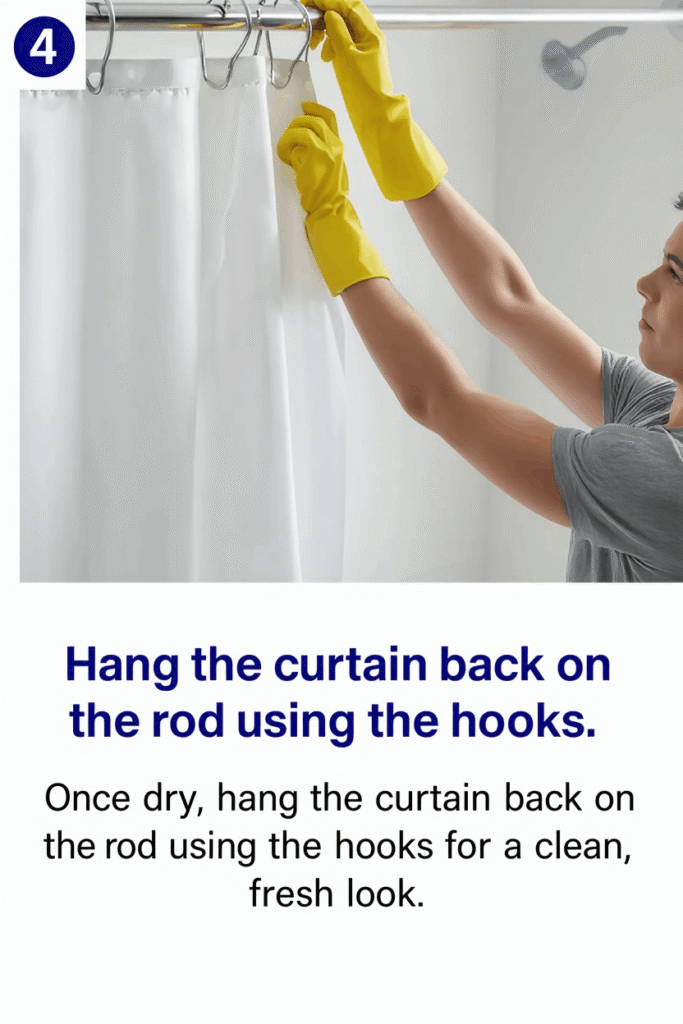
- Ignoring the Hooks and Rings: Mold loves to hide inside the small gaps of curtain rings. If you do not clean them, the mold will quickly transfer back onto your fresh curtain.
- Leaving the Curtain Bunched: Closing the curtain to one side after a shower traps moisture in the folds, creating a perfect dark incubator for mold spores.
- Overusing Chlorine Bleach: Bleach degrades synthetic polyester fibers and turns white plastics yellow over time. Stick to vinegar or hydrogen peroxide.
6. Prevention Tips (Future Maintenance)
Keeping your curtain clean is much easier than figuring out how to clean a shower curtain once mold has taken over. Use these bathroom hygiene tips to keep mold away:
- The Spread Technique: After every shower, draw the curtain completely closed so it can dry flat without trapping water in damp folds.
- Ventilation: Run your bathroom exhaust fan for at least 20 minutes after your shower to remove excess humidity.
- The Daily Vinegar Spray: Keep a spray bottle filled with water and a few drops of tea tree oil in your shower. Give the bottom of your liner a quick mist after your daily rinse. This simple vinegar cleaning hack acts as a natural shield against soap scum and mold.
7. FAQ Section
Can I bleach my white fabric shower curtain?
Yes, you can use a small amount of diluted bleach on 100% cotton or polyester white curtains. However, avoid using bleach on synthetic blends or colored fabrics, as it can weaken the fibers and fade the colors.
My plastic liner smells bad even after washing. Why?
This usually means deep-set bacteria or mildew is trapped inside the plastic pores or on the bottom hem. Try a thorough soak in warm water with white vinegar and baking soda to neutralize the odor.
How do I get stubborn hard water stains off a plastic liner?
Acid is your best tool here. Spray the white mineral deposits with pure white vinegar, let it sit for 10 minutes to dissolve the calcium, and scrub gently with a non-scratch sponge.
Can I wash my fabric curtain and plastic liner together?
Yes, you can wash them together on a cold, gentle cycle. The fabric curtain will actually act as a soft buffer for the plastic liner, helping scrub away soap scum during the wash cycle.
How often should I clean my shower curtain?
For optimal bathroom hygiene, you should wash or wipe down your shower curtain and liner every 1 to 3 months. Spot clean the bottom edge as soon as you see soap scum or pink slime.
8. Conclusion
You have now mastered the art of how to clean a shower curtain safely and efficiently. By matching your cleaning method to your specific curtain material, you can easily remove mold, soap scum, and mineral stains without causing damage.
Treat your bathroom linens and liners as valuable textile investments rather than disposable items. With a simple, consistent prevention routine and the right cleaning agents, your bathroom will remain a clean, fresh, and welcoming space for your daily wind-down. The next time you wonder how to clean a shower curtain, simply refer back to these easy, proven steps to keep your home healthy.