
Introduction
Mattress protectors are one of the simplest yet most valuable additions to any bedroom. They create a physical barrier between your body and your mattress, shielding it from sweat, spills, allergens, and daily wear. A quality protector can extend the life of your mattress by years while keeping your sleep environment fresh and hygienic.
Many people skip this step, assuming their sheets provide enough protection. They don’t. Sheets absorb moisture but allow liquids, dust mites, and bacteria to reach the mattress core. Once contaminants penetrate the foam or springs, they are nearly impossible to remove. Mattress protectors solve this problem quietly and affordably.
In this guide, you will learn about different types, the best materials, proper sizing, and the common buying errors that waste money and compromise sleep quality.
Table of Contents
Why Mattress Protectors Are Worth Every Penny
Your mattress is a significant financial investment. Most quality mattresses cost hundreds or even thousands of dollars. Mattress protectors safeguard that investment in several important ways.
Sleep Hygiene
Your body releases moisture, oils, and dead skin cells every night. Over time, these accumulate inside the mattress, creating an environment where bacteria and mold thrive.
Warranty Protection
Most manufacturers void warranties if the mattress shows stains or fluid damage. A single coffee spill could cost you thousands in denied warranty claims.
Allergen Defense
Dust mites feed on dead skin trapped inside mattresses. A tightly woven protector blocks their access, reducing allergy symptoms and improving breathing during sleep.
Financial Savings
Replacing a damaged mattress costs far more than purchasing a quality protector upfront. Prevention is always cheaper than replacement.
Types of Mattress Protectors
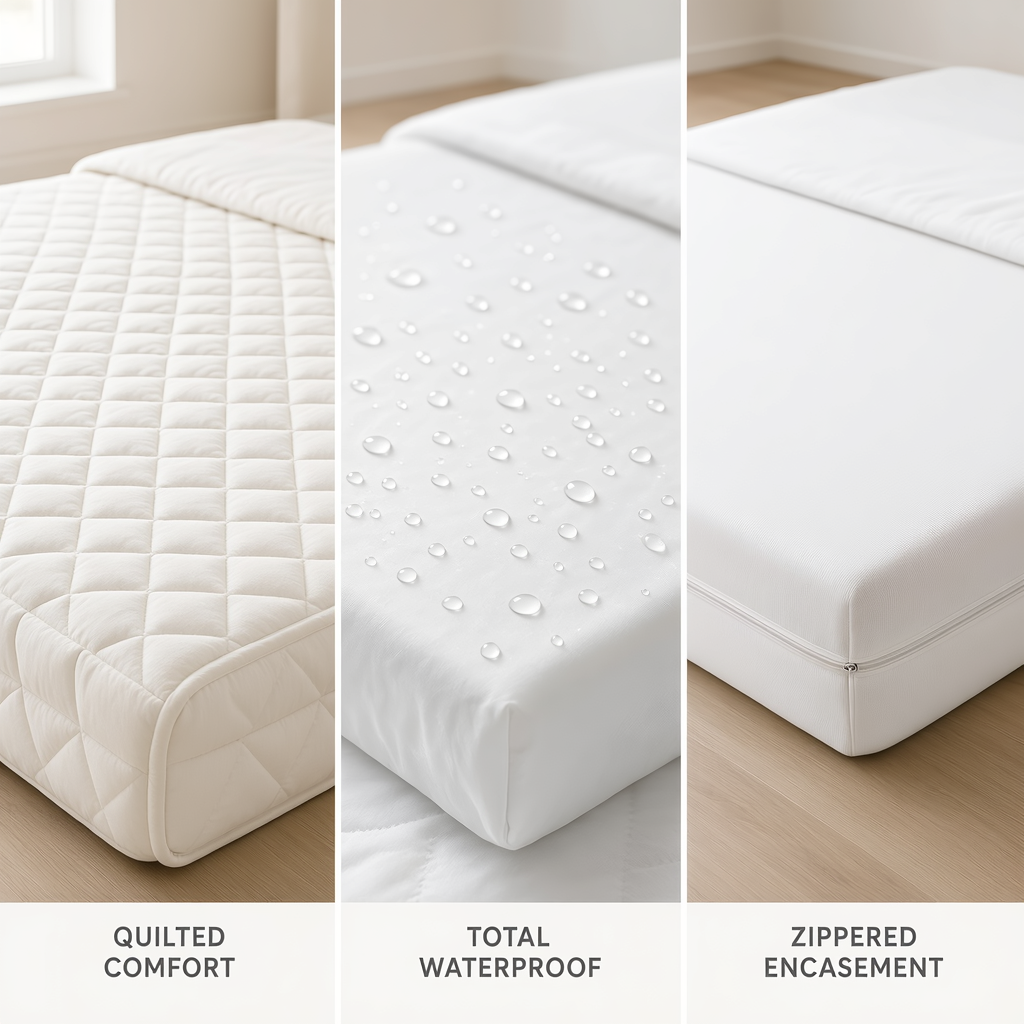
Understanding the options helps you match the right protector to your needs.
Waterproof Mattress Protector
Uses TPU or polyurethane membranes to block all liquids while remaining breathable. Ideal for families with young children and pets.
Breathable and Cooling Protectors
Designed with moisture-wicking fabrics that pull heat away from the body. A cooling mattress protector is perfect for hot sleepers and warm climates.
Allergen and Dust Mite Covers
Feature ultra-tight weaves with microscopic pore sizes that block allergens. A mattress protector for allergies can significantly reduce nighttime symptoms.
Quilted and Padded Protectors
Add a thin comfort layer on top of the mattress. These soften firm surfaces without replacing the mattress itself.
Encasement Style
Zippers completely around the mattress, sealing all six sides. Best for bed bug prevention and severe allergy management.
Organic and Eco-Friendly Options
Made from certified organic cotton, bamboo, or Tencel. An organic mattress protector appeals to buyers who prioritize sustainability.
Best Materials for Mattress Protectors
| Material | Breathability | Noise | Durability | Best For |
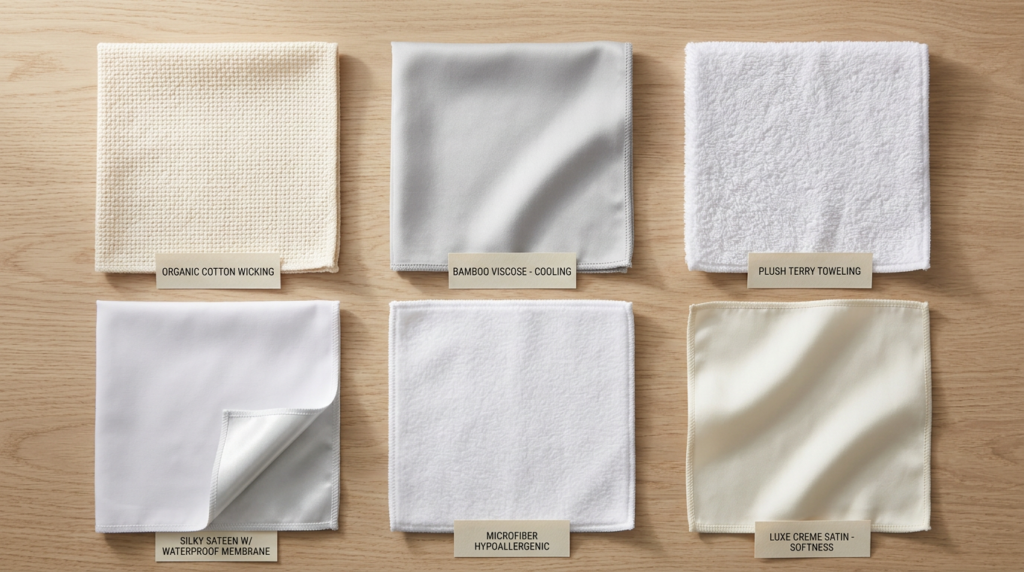
| Organic Cotton | Excellent | Silent | High | Eco-conscious buyers |
| Bamboo | Very High | Silent | Medium | Hot sleepers |
| TPU Membrane | Good | Silent | Very High | Kids and pets |
| Terry Cloth | Good | Silent | Medium | Everyday comfort |
| Microfiber | Moderate | Silent | High | Budget buyers |
| Tencel | Excellent | Silent | Medium | Sensitive skin |
Quick Material Summary
Cotton and bamboo lead in breathability. TPU membranes offer the best waterproof performance. Terry cloth provides comfortable softness at lower prices. Tencel suits sensitive skin beautifully.
How to Choose the Right Mattress Protector
Selecting the right mattress protectors starts with understanding your specific needs.
Measure Your Mattress
Check the total height including any topper. Standard protectors fit mattresses up to 12 inches. Deep pocket options accommodate 14 to 18 inches.
Match to Your Lifestyle
- Parents: Choose a mattress protector for kids with full waterproof backing
- Pet owners: Look for durable, machine-washable fabrics
- Allergy sufferers: Select encasement styles with certified allergen barriers
- Hot sleepers: Prioritize a breathable mattress protector with cooling fibers
Climate Considerations
Warmer climates benefit from bamboo or Tencel. Cooler regions may prefer quilted cotton for added warmth.
Size Guide and Proper Fit
| Size | Dimensions | Standard Depth | Deep Pocket |
| Twin | 38″ x 75″ | Up to 12″ | Up to 18″ |
| Full | 54″ x 75″ | Up to 12″ | Up to 18″ |
| Queen | 60″ x 80″ | Up to 14″ | Up to 20″ |
| King | 76″ x 80″ | Up to 14″ | Up to 20″ |
| Cal King | 72″ x 84″ | Up to 14″ | Up to 20″ |
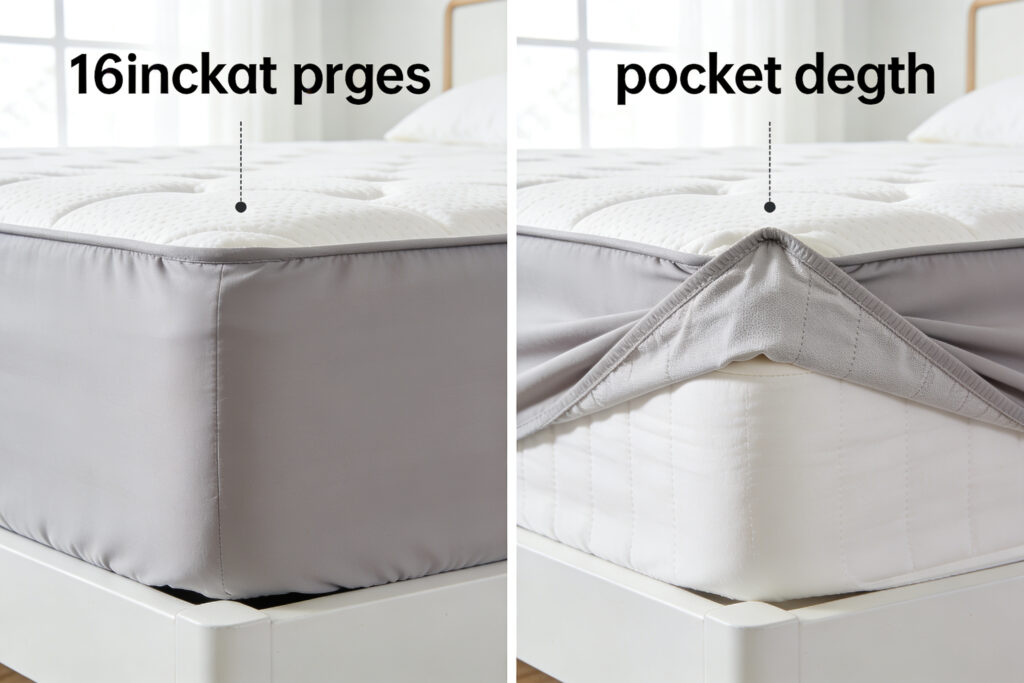
Always measure your mattress height before purchasing. A fitted mattress protector that is too shallow will pop off the corners during the night.
Cleaning and Washing Guide
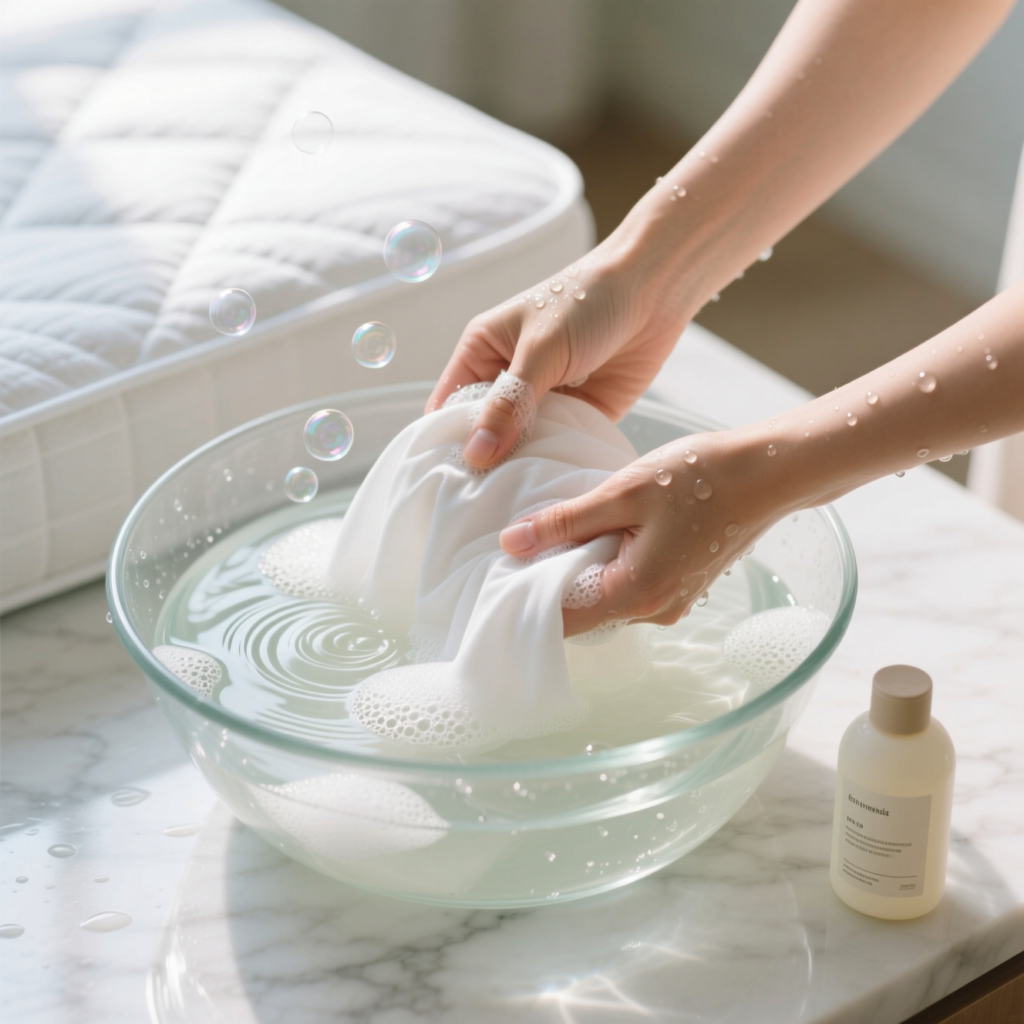
Proper care extends the life of your mattress protectors significantly.
Washing Tips
- Wash every 4 to 8 weeks
- Use warm water with mild detergent
- Tumble dry on low heat only
What to Avoid
- Never use bleach on waterproof membranes
- Skip fabric softener as it clogs breathable pores
- Avoid high heat drying which damages protective layers
Spot Cleaning
Blot spills immediately with a clean cloth. Apply a mild vinegar and water solution for odor control before machine washing.
Common Mistakes to Avoid
These errors can ruin your sleep experience and waste money.
- Buying the wrong size without measuring mattress depth first
- Ignoring pocket depth causing corners to pop off nightly
- Choosing vinyl for hot sleepers which traps heat and creates noise
- Washing with bleach which destroys waterproof membranes permanently
- Using fabric softener which reduces breathability over time
- Buying based only on price while ignoring material quality and durability
Budget vs Luxury Mattress Protectors
Budget Options ($15-$40)
Polyester and microfiber blends offer basic protection. They work well for guest rooms and temporary solutions but may lack breathability.
Mid-Range Options ($40-$80)
Cotton and bamboo blends provide better comfort, breathability, and durability. These suit most everyday households.
Premium Options ($80-$150+)
Organic cotton, Tencel, and advanced cooling fabrics deliver superior performance. These are ideal for allergy sufferers and long-term investment buyers.
Eco-Friendly and Organic Options
Sustainability matters when choosing mattress protectors for your home.
What to Look For
- GOTS certified organic cotton
- Oeko-Tex Standard 100 certification
- Responsibly sourced bamboo
- Recyclable or biodegradable packaging
Why It Matters
Conventional textiles often contain chemical treatments and synthetic coatings. An organic mattress protector reduces chemical exposure while supporting environmentally responsible manufacturing.
Quick Buying Checklist
Before purchasing, verify these ten points:
- Measured mattress height including topper
- Selected appropriate pocket depth
- Chosen waterproof or breathable based on need
- Confirmed machine wash and dry compatibility
- Checked noise level in product reviews
- Verified allergen protection rating if needed
- Matched material to climate and sleep temperature
- Compared budget vs premium value
- Looked for eco-certifications if important
- Reviewed return and warranty policies
FAQ Section
Do mattress protectors affect comfort?
Quality protectors are thin enough that you will not feel them through your sheets. Quilted versions may add slight softness.
Are waterproof protectors hot to sleep on?
Modern TPU-based waterproof mattress protectors are breathable and do not trap significant heat. Older vinyl models do.
How long do mattress protectors last?
Most quality protectors last 2 to 5 years with proper washing and care.
Can I use a mattress protector with a topper?
Yes. Place the protector directly on the mattress first, then add the topper, then your sheets.
Do mattress protectors prevent bed bugs?
Encasement-style mattress protectors with zippered closures can prevent bed bugs from entering or escaping the mattress.
Conclusion
Choosing the right mattress protectors is one of the smartest decisions you can make for your bedroom. They defend your investment, support cleaner sleep hygiene, and reduce allergen exposure for healthier rest. By selecting the correct material, measuring your mattress properly, and avoiding common mistakes like using harsh detergents, you ensure years of comfortable and protected sleep.
Whether you need a waterproof mattress protector for a busy family home, a cooling mattress protector for warm nights, or an organic mattress protector for sustainable living, the right choice exists for every lifestyle and budget. Invest wisely today and enjoy cleaner, healthier sleep for years to come.