
Introduction
Bedroom curtains can completely change how your room looks, feels, and functions. They are not just fabric panels hanging beside a window. They help control light, protect privacy, support better sleep, and add softness to your bedroom décor.
The right curtains can make a small room feel taller, a cold room feel warmer, and a plain bedroom feel beautifully finished. On the other hand, the wrong size, fabric, or color can make your space look awkward and uncomfortable.
In this guide, you will learn how to choose fabrics, measure correctly, select colors, hang curtains properly, and avoid common buying mistakes. Whether you are a renter, homeowner, first-time buyer, or budget-conscious decorator, this guide will help you choose with confidence.
Why Bedroom Curtains Matter
Good window treatments do more than improve appearance. Quality bedroom curtains affect comfort, health, privacy, and even energy use.
Better Sleep Quality
Light exposure at night can disturb your sleep cycle. Streetlights, car headlights, and early morning sun can make it harder to fall asleep or stay asleep.
Blackout and room-darkening options help create a darker sleep environment, which may support better rest.
More Privacy
Your bedroom should feel secure and personal. Bedroom privacy curtains prevent outside visibility, especially in apartments, city homes, or rooms facing neighbors.
Temperature Control
Windows often allow heat to escape in winter and enter during summer. Thermal curtains for bedroom spaces add insulation and help maintain a more stable room temperature.
Better Style
Curtains frame your windows and add texture, color, and softness. They can make the whole room feel more complete.
Types of Bedroom Curtains
Choosing the right type depends on your needs. Some people want total darkness, while others prefer soft natural light.
Blackout Curtains
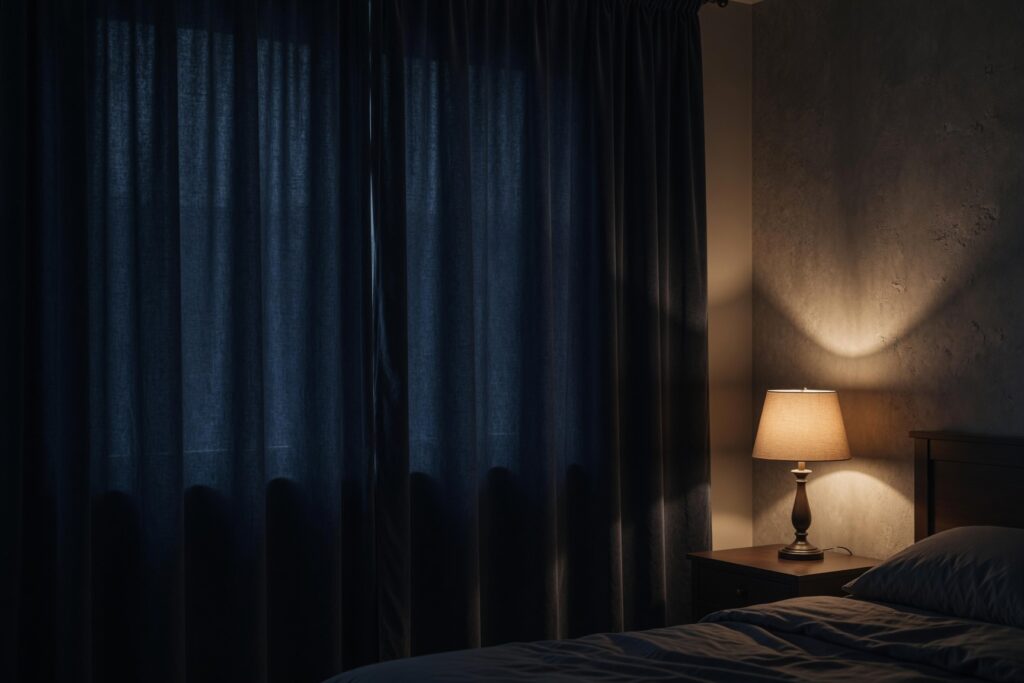
Blackout curtains for bedroom use dense fabric or special lining to block most outside light. They are ideal for light sleepers, shift workers, children’s rooms, and bright city bedrooms.
Room-Darkening Curtains
These reduce light but do not create full darkness. They are a good middle option if you want privacy and softness without a fully dark room.
Sheer Curtains
Sheer bedroom curtains allow natural light to filter in while adding a soft, airy look. They work best when layered with heavier panels for nighttime privacy.
Thermal Curtains
Thermal curtains include insulating layers that help reduce heat transfer. They are useful in cold climates, hot climates, or rooms with drafty windows.
Decorative Curtains
Decorative panels focus more on style than performance. They work well in bedrooms where privacy and light control are not major concerns.
Best Fabric Materials Explained
Understanding curtain fabric types helps you choose the right look and function.
| Fabric Type | Best For | Light Control | Maintenance | Style Feel |
| Cotton | Everyday use | Medium | Easy | Clean and casual |
| Linen | Airy natural style | Low to medium | Medium | Relaxed and organic |
| Velvet | Luxury and sound softening | High | Medium | Rich and elegant |
| Polyester | Budget-friendly durability | Medium to high | Easy | Practical and versatile |
| Blackout fabric | Deep sleep and privacy | Very high | Easy | Functional and modern |
| Sheer voile | Soft daylight | Low | Easy | Light and romantic |
Cotton
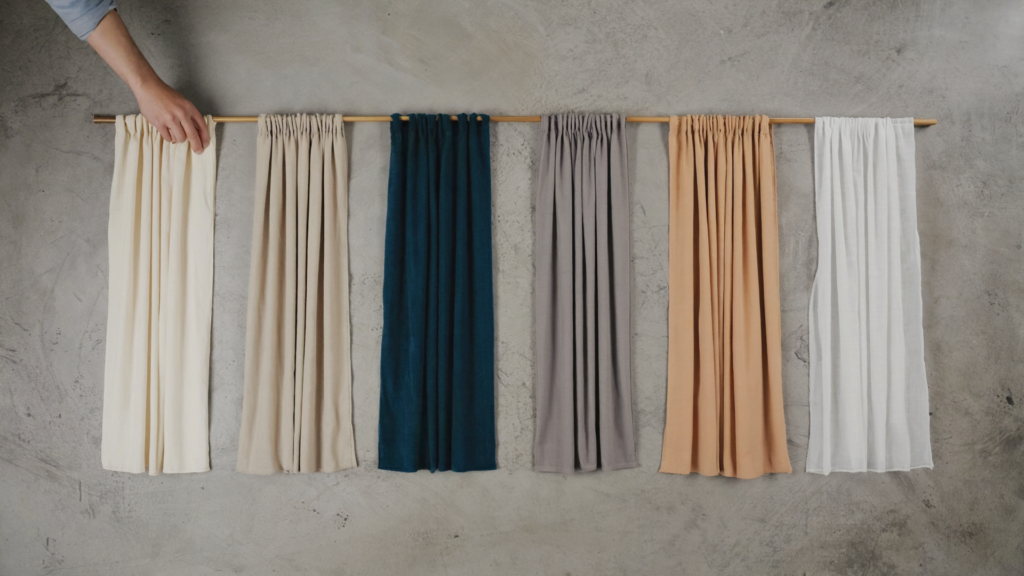
Cotton is breathable, simple, and easy to style. It works well in casual, modern, and traditional bedrooms.
Linen
Linen gives a natural, relaxed look. It wrinkles easily, but many people love its soft, lived-in appearance.
Velvet
Velvet is thick and dramatic. It blocks light better than many natural fabrics and can slightly reduce outside noise.
Polyester
Polyester is affordable, durable, and wrinkle-resistant. It is one of the most common choices for budget-friendly bedroom curtains.
Size and Measurement Guide
A beautiful curtain can still look wrong if the size is off. Use this simple bedroom curtain length guide before buying.
Step 1: Measure Window Width
Measure the full width of your window frame.
For proper fullness, use this formula:
Window width × 1.5 to 2.5 = total curtain panel width
Example:
If your window is 50 inches wide, your total curtain width should be about 75 to 125 inches.
Step 2: Measure Curtain Height
Measure from where the rod will sit to where you want the curtain to end.
Common length styles include:
- Floating: Ends about ½ inch above the floor
- Kissing: Just touches the floor
- Puddling: Extra fabric rests on the floor
Step 3: Hang High and Wide
For a designer look, hang the rod 4 to 6 inches above the window frame and extend it 6 to 12 inches beyond each side.
This makes windows look larger and ceilings feel taller.
Color and Design Trends
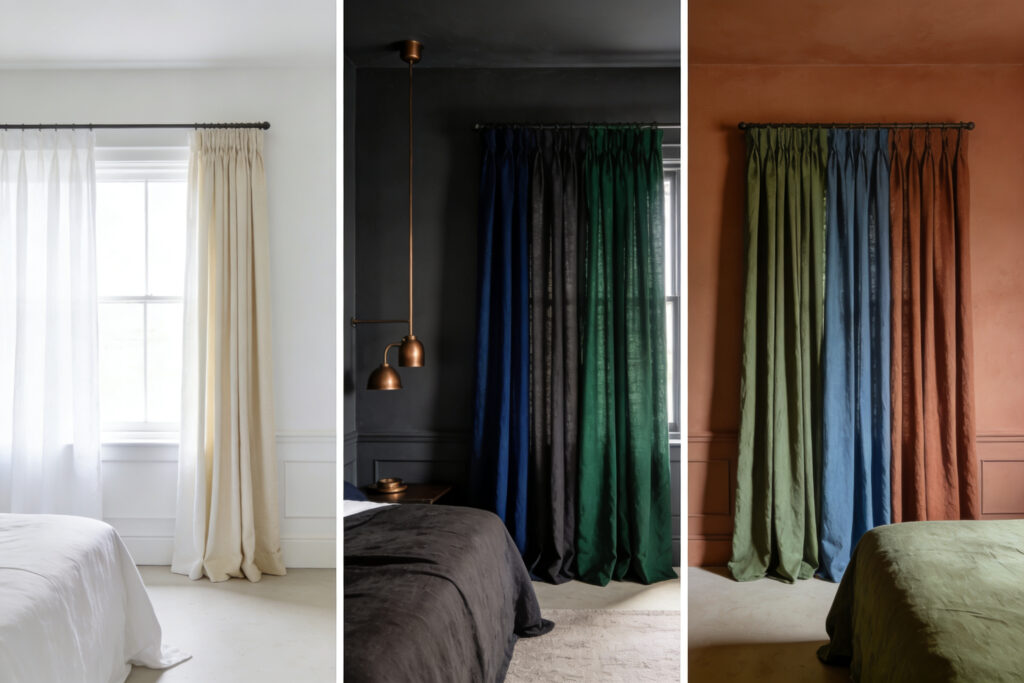
The best bedroom curtain ideas balance your style with your room’s mood.
Neutral Colors
White, cream, beige, gray, and taupe create a calm and timeless bedroom. These shades are perfect for minimalist and relaxing spaces.
Dark Colors
Navy, charcoal, forest green, and deep brown create a cozy, dramatic effect. They work especially well with blackout lining.
Soft Natural Tones
Sage green, dusty blue, warm clay, and muted blush are popular choices for peaceful bedrooms.
Patterned Curtains
Patterns can add personality, but use them carefully. If your bedding is already busy, choose simple curtains.
When choosing curtain colors for bedroom spaces, look at your walls, bedding, rug, and furniture before deciding.
Hanging Tips and Installation
Learning how to hang bedroom curtains correctly can make inexpensive panels look high-end.
Use the Right Rod
Choose a rod strong enough for your fabric. Heavy velvet or blackout panels need sturdy metal rods and secure wall anchors.
Choose the Right Header Style
Popular curtain tops include:
- Grommet: Modern and easy to slide
- Rod pocket: Simple and traditional
- Back tab: Clean and tailored
- Pleated: Formal and elegant
Try Layering
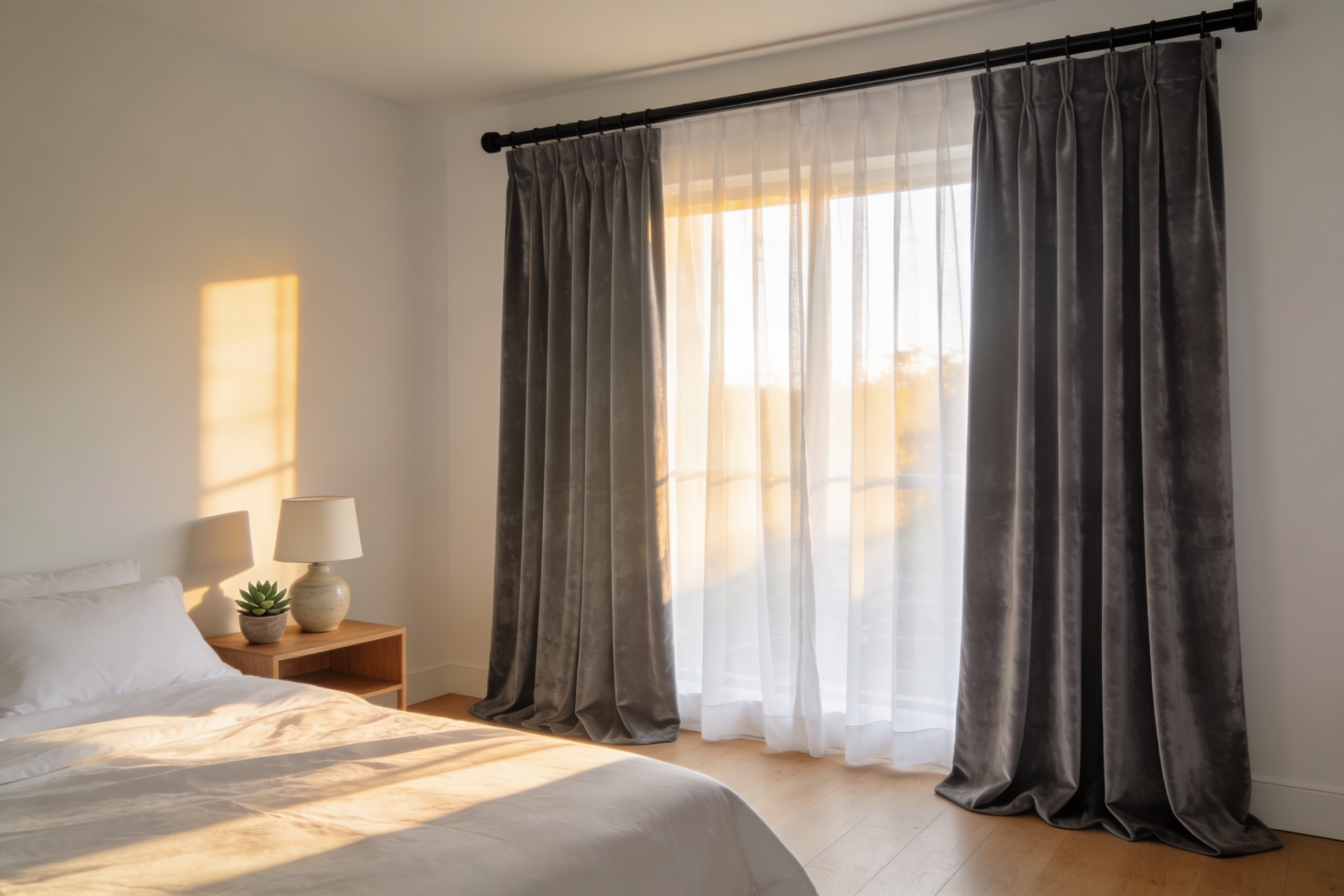
Layer sheer curtains behind blackout or thermal panels. This gives you daytime softness and nighttime privacy.
Layering also adds depth and creates a more polished bedroom design.
Benefits of Blackout Curtains
Blackout options are among the best curtains for bedroom spaces where sleep quality matters.
Main Benefits
- Block streetlights and early sun
- Improve privacy
- Help regulate room temperature
- Reduce glare from outside
- Support better rest for light-sensitive sleepers
They are especially useful for nurseries, guest rooms, city apartments, and bedrooms facing east.
Budget vs Luxury Options
You do not need to overspend to get good results. However, knowing where to save and where to invest helps.
Budget Curtains
Budget options often use polyester or cotton blends. They are good for rentals, guest rooms, and temporary decorating.
Look for:
- Machine-washable fabric
- Good stitching
- Proper width
- Neutral colors
Luxury Curtains
Luxury curtains often include linen, velvet, silk blends, custom sizing, or lined panels.
They are worth considering if:
- You own your home
- The bedroom is your main retreat
- You need strong light control
- You want long-term durability
The smartest choice is not always the most expensive one. It is the one that fits your lifestyle.
Cleaning and Maintenance
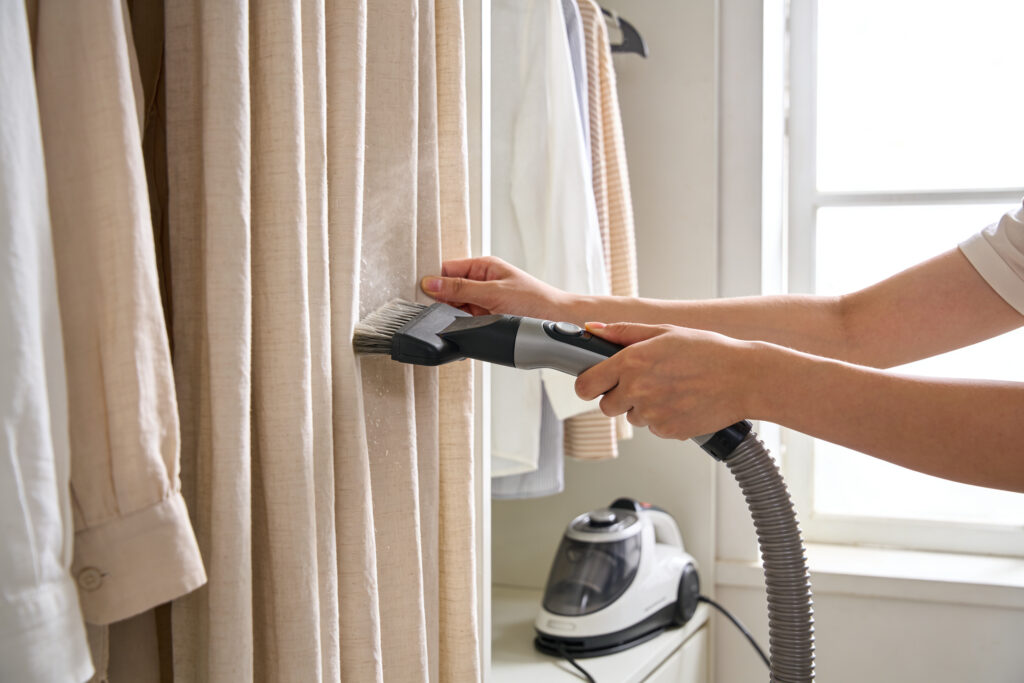
Clean bedroom curtains last longer and keep your room healthier.
Basic Care Tips
- Vacuum curtains monthly using a brush attachment
- Wash machine-safe panels every 3 to 6 months
- Steam wrinkles after hanging
- Spot clean small stains quickly
- Keep curtains away from damp walls
Fabric-Specific Car
- Cotton and polyester are usually easy to wash
- Linen may shrink if washed incorrectly
- Velvet often needs gentle cleaning
- Sheers can snag, so wash carefully
Always check the care label before washing.
Quick Buying Checklist
Before you purchase, review this simple checklist:
- Measure your window width and height
- Multiply width for proper fullness
- Decide on blackout, sheer, thermal, or decorative style
- Choose fabric based on climate and sleep needs
- Pick colors that match your bedding and walls
- Select the right rod and brackets
- Check care instructions
- Consider layering for flexible light control
- Set a realistic budget
- Read return policies before buying
FAQ About Bedroom Curtains
1. What are the best curtains for bedroom sleep quality?
Blackout curtains are usually best for sleep because they block outside light and create a darker room.
2. Should bedroom curtains touch the floor?
Yes, in most cases. Curtains that just touch or slightly hover above the floor look clean and intentional.
3. Are sheer curtains good for bedrooms?
Sheer curtains are good for soft daylight and daytime privacy, but they should be layered with heavier panels for nighttime privacy.
4. What fabric is best for hot bedrooms?
Cotton, linen blends, and thermal-backed light-colored curtains can help keep the room cooler.
5. How often should I clean curtains?
Vacuum monthly and wash or deep clean every 3 to 6 months, depending on dust, pets, and allergies.
Conclusion
Choosing the right bedroom curtains is about more than style. The right panels can improve sleep, increase privacy, control temperature, and make your room feel beautifully finished.
Start by measuring carefully, then choose fabric, color, and length based on your lifestyle. If you need darkness, consider blackout options. If you love soft light, layer sheers with heavier panels.
With the right planning, bedroom curtains can transform your bedroom into a peaceful, private, and comfortable retreat you enjoy every day.