

Introduction
A good pillow case does more than cover your pillow. It touches your face for hours every night, affecting your skin, hair, and sleep quality. Many people focus on mattresses and pillows but overlook how much the right cover matters.
Choosing the correct material and fit can help reduce irritation, prevent hair damage, and improve overall comfort. In this guide, you will learn how to select the best options based on your needs, avoid common errors, and care for them properly.
Table of Contents
Why Pillow Cases Matter More Than You Think
Your face stays in contact with a pillow case throughout the night. Rough or low-quality fabric can cause friction that leads to skin irritation and hair breakage.
Poor choices may also trap heat or allergens, making sleep less restful. On the other hand, well-chosen covers can support healthier skin, smoother hair, and a more comfortable bedroom environment. They also play a role in how your bed looks and feels as part of your overall decor.
Types of Pillow Cases
Different sizes and styles serve different purposes. Standard sizes work well for twin and full beds, while queen and king sizes offer more coverage for larger pillows.
Body pillow cases provide full-length support, making them useful for side sleepers. Decorative styles add visual interest to a bed, while travel versions are compact and easy to carry. Understanding these options helps you pick the right one for your space and lifestyle.
Best Materials for Pillow Cases
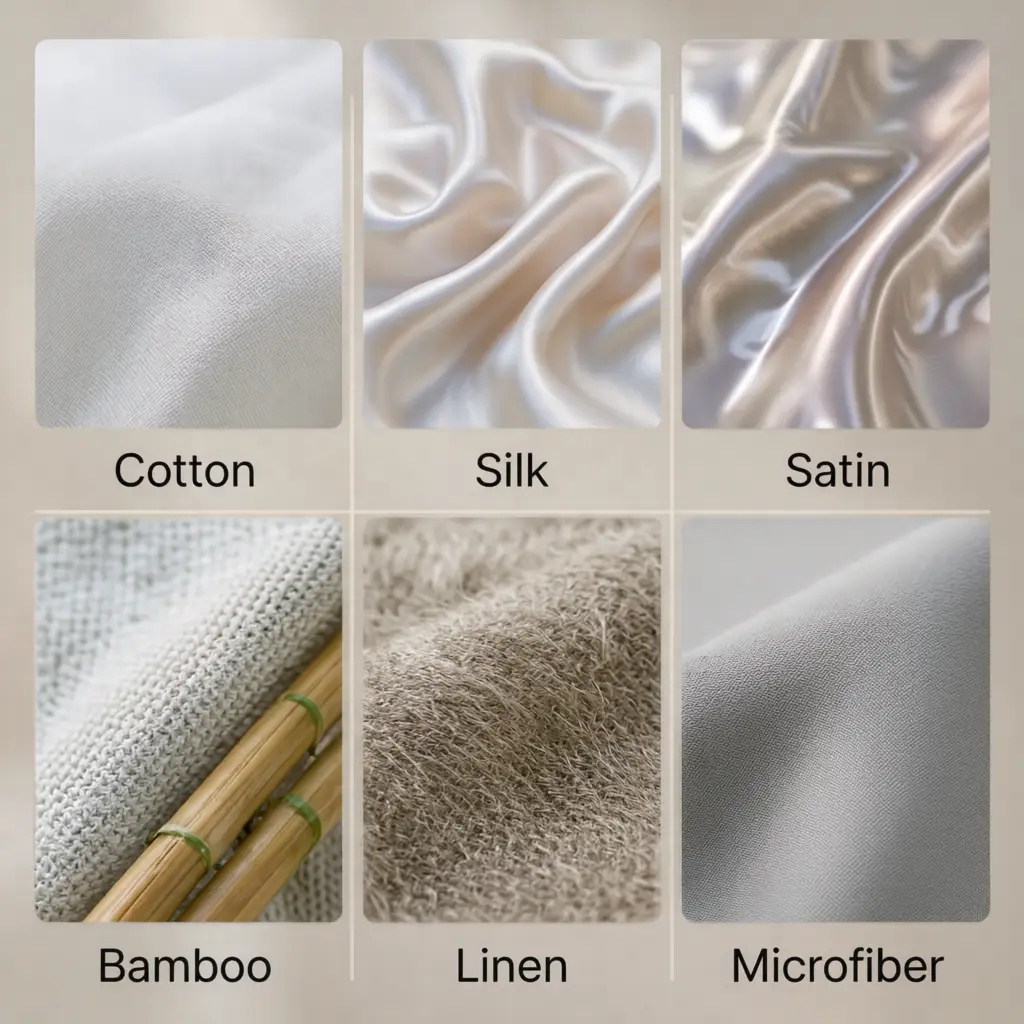
Several fabrics stand out for comfort and performance. Cotton remains popular because it feels soft and breathable, with Egyptian and Turkish varieties offering extra durability.
Silk and satin create a smooth surface that reduces friction on skin and hair. Bamboo offers natural temperature regulation and moisture-wicking properties. Linen provides a relaxed texture that improves with age, while microfiber delivers an affordable, easy-care option. Tencel and other eco-friendly materials appeal to those who want sustainable choices without sacrificing softness.
Pillow Cases for Skin and Hair Care
Silk and satin help minimize friction, which can reduce the appearance of sleep creases and hair frizz. These materials also retain moisture better than cotton, supporting healthier skin and hair over time.
For sensitive or acne-prone skin, tightly woven fabrics that resist bacteria buildup are often more suitable. People with curly or textured hair tend to benefit from smoother surfaces that prevent tangles and breakage during the night.
Hypoallergenic and Health-Friendly Pillow Cases
If you deal with allergies, tightly woven cotton or bamboo can help limit dust mite exposure. Some fabrics naturally resist mildew and bacteria, making them better for sensitive users.
Breathable materials also help those who overheat at night by allowing better airflow. Choosing the right fabric can make a noticeable difference in sleep quality for people with respiratory concerns or night sweats.
Pillow Case Size Guide
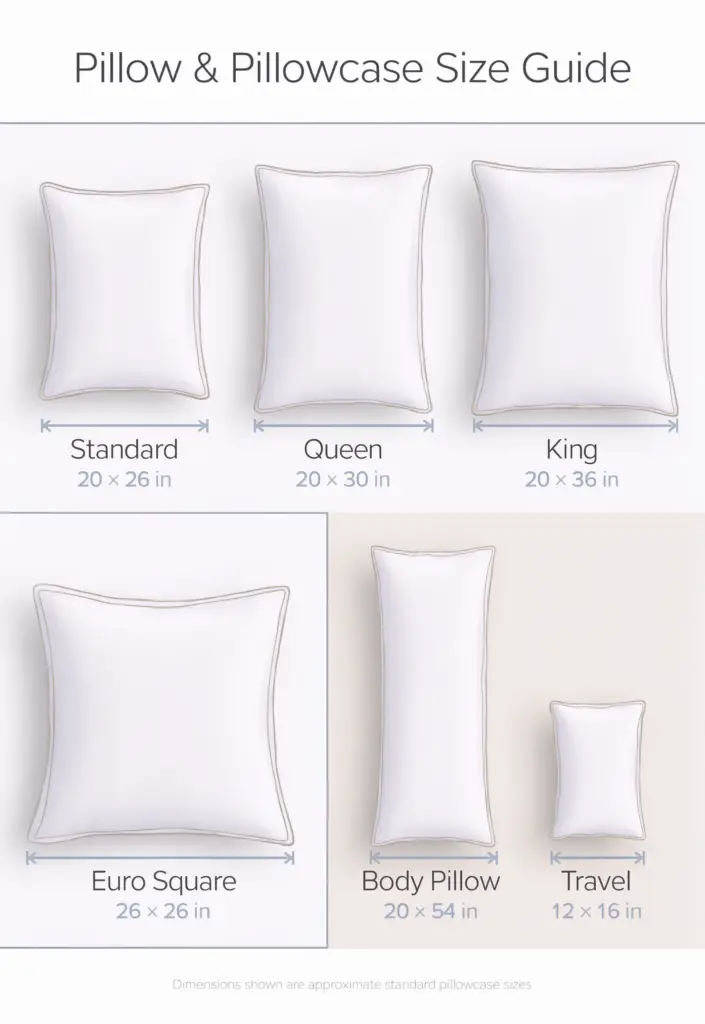
Correct sizing ensures a neat fit and comfortable sleep. Standard covers measure around 20 by 26 inches, while queen sizes are typically 20 by 30 inches. King sizes usually measure 20 by 36 inches.
European square covers are 26 by 26 inches and work well for decorative purposes. Body pillow covers are longer, often reaching 20 by 54 inches. Always measure your pillow before buying to avoid loose or overly tight fits.
How to Choose the Best Pillow Cases
Start by matching the fabric to your daily needs. Hot sleepers should prioritize breathable materials like cotton or bamboo, while those focused on skin and hair care may prefer silk or satin.
Consider the climate where you live and how often you wash your bedding. Pay attention to closure styles—envelope closures feel simple, while zippered versions keep everything securely inside. Color and pattern should complement your existing bedding for a cohesive look.
Style and Decor Trends
Neutral tones create a calm, timeless bedroom atmosphere. Bold patterns can add personality and work well when paired with simpler bedding. Many people now rotate covers seasonally for both comfort and visual refresh.
Sustainable options made from organic or responsibly sourced materials are becoming more popular among buyers who want to reduce environmental impact while maintaining quality.
How to Wash and Care for Pillow Cases
Wash your covers every one to two weeks to maintain hygiene. Use the recommended water temperature for each fabric—cool water works best for silk and delicate materials.
Avoid harsh detergents that can damage fibers over time. Air drying is gentler on most fabrics, though cotton can usually handle low-heat tumble drying. Store clean covers in a dry, cool place to prevent mildew.
Common Mistakes to Avoid
Many people buy the wrong size, leading to bunching or slipping during sleep. Others ignore fabric quality and end up with covers that feel rough or trap heat. Washing too infrequently allows oil and bacteria to build up on the surface.
Using strong detergents or mixing delicate fabrics with rough ones in the same load can also shorten their lifespan. Taking time to understand your needs helps prevent these issues.
Comparison Table
| Fabric Type | Best For | Care Difficulty | Price Range |
| Cotton | Everyday use | Easy | Low to Medium |
| Silk / Satin | Skin and hair protection | Medium | Medium to High |
| Bamboo | Temperature control | Easy | Medium |
| Linen | Casual, textured look | Medium | Medium |
| Microfiber | Budget and easy care | Very Easy | Low |
| Tencel / Eco | Sustainable comfort | Easy | Medium to High |
Quick Buying Checklist
- Measure your pillow before purchasing
- Choose fabric based on skin and hair needs
- Consider your typical sleeping temperature
- Decide between envelope, zipper, or standard closure
- Check thread count and weave type
- Look for certifications if you have allergies
- Match colors with your existing bedding
- Review washing instructions before buying
- Set a realistic budget for quality and durability
- Read recent reviews for real-user feedback
FAQ
What pillow case material is best for skin?
Silk and satin tend to cause less friction, which can help reduce irritation and support healthier skin.
Are silk pillow cases worth it?
They can be a good investment if you want to minimize hair breakage and sleep creases, though they require more careful washing.
How often should pillow cases be washed?
Most experts recommend washing them every one to two weeks to maintain cleanliness and skin health.
Can pillow cases prevent acne?
They cannot prevent acne entirely, but smoother, cleaner fabrics may reduce irritation and bacteria buildup on the skin.
What size pillow cases fit standard pillows?
Standard covers measuring 20 by 26 inches usually fit standard pillows well.
Conclusion
Selecting the right pillow cases can improve both your sleep quality and daily comfort. By understanding materials, sizes, and care needs, you can make choices that support your skin, hair, and overall well-being.
Take time to assess what matters most to you—whether it is breathability, smoothness, or easy maintenance—then choose accordingly. With the right selection, your bedding can contribute to more restful nights and a more comfortable home environment.