If you wake up sneezing, congested, or rubbing itchy eyes, I’ve been there.
For years, I blamed “seasonal allergies.” What didn’t I realize? My pillow was the real problem.
After testing dozens of pillows, washing routines, covers, and materials, I’ve learned that choosing the best pillow for allergies isn’t just about buying something labeled “hypoallergenic.” It’s about understanding materials, dust mite resistance, washability, and how your sleep position affects allergen buildup.
In this guide, I’m sharing what actually worked for me — and what didn’t — so you can confidently choose the best pillow for allergies in 2026.
Table of Contents
Why Your Pillow Is Making Your Allergies Worse
Here’s something most guides don’t explain clearly:
You spend 6–8 hours every night pressing your face directly into your pillow. Over time, it collects:
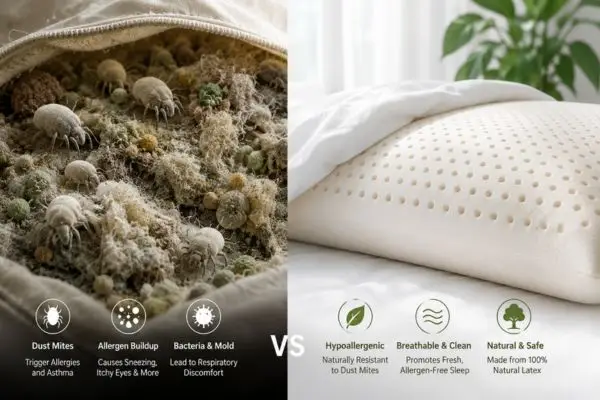
- Dust mites
- Dead skin cells
- Moisture from sweat and breath
- Pet dander
- Mold spores
Even if you wash your sheets weekly, your pillow core might still be holding allergens.
That’s why finding the best pillow for allergies means looking deeper than the cover.
What I Look for in the Best Pillow for Allergies
After trial and error, here are my non‑negotiables:
1. Washability (This Is Huge)
Many “hypoallergenic” pillows can’t actually be washed. That’s a problem.
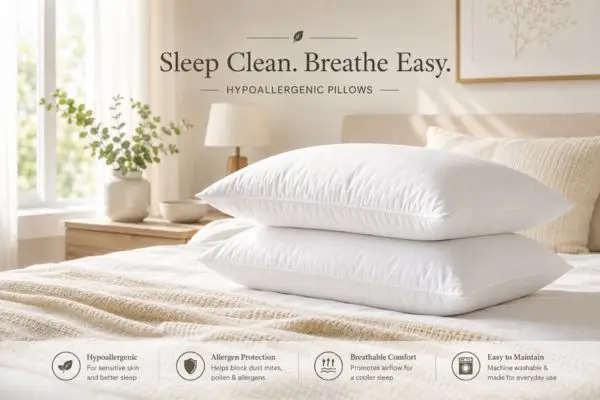
The best pillow for allergies should either:
- Be fully machine washable
OR - Have a removable, washable cover + washable protector.
If you can’t clean it properly, allergens will win.
2. Dust Mite Resistance (Not Just Marketing Claims)
From my experience, the best pillow for allergies usually contains:
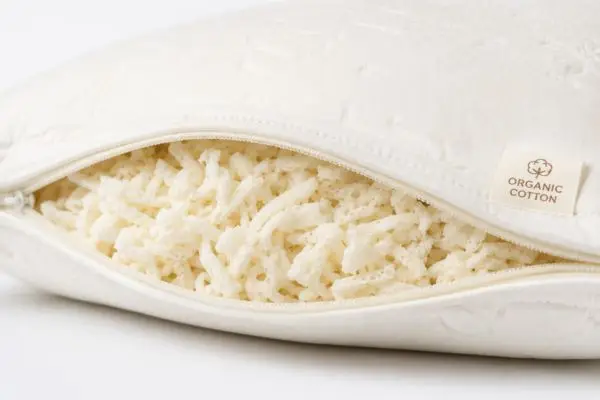
- Natural latex
- High-density memory foam (with encasement)
- Down alternative with tight-weave casing
Avoid loosely packed feathers unless fully encased.
3. Breathability = Less Moisture = Fewer Allergens
Moisture feeds mold and mites.
The best pillow for allergies should promote airflow. Look for:
- Cotton percale (not sateen)
- Bamboo-derived viscose
- Tencel
- Silk
Hot, sweaty pillows create allergy nightmares.
4. Adjustable Fill (A Major Gap Most Guides Ignore)
Here’s something rarely discussed:
If your pillow is too thick, your face sinks deeper into it — trapping heat and allergens close to your nose.
An adjustable pillow lets you:
- Remove fill
- Improve airflow
- Reduce surface compression
For me, adjustable latex blends were a game-changer in finding the best pillow for allergies.
The Materials I Personally Recommend (And Avoid)
✅ Best Materials for Allergy Sufferers
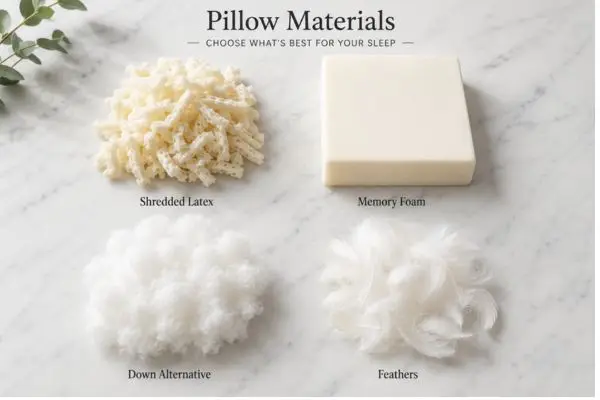
Natural Latex
- Naturally antimicrobial
- Resists mold and mites
- Breathable and supportive
Not ideal if you have latex sensitivity.
Shredded Latex Blends
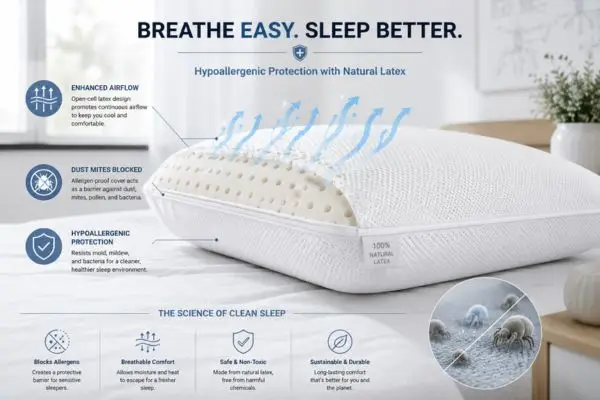
- Better airflow than solid foam
- Adjustable
- Supportive for side sleepers
High-Quality Down Alternative
- Affordable
- Washable
- Good option if tightly encased
When properly protected, this can absolutely be the best pillow for allergies on a budget.
⚠️ Materials I Avoid
Feather & Down
Even being cleaned down can trigger reactions. It also attracts dust mites.
Cheap Polyfill
Clumps quickly, traps moisture, and becomes an allergen magnet.
Old Memory Foam Without Encasement
It may resist microbes, but dust collects on and around it.
My Personal Top Picks for 2026
Instead of repeating generic brand lists, here’s what actually worked in my bedroom.
🥇 Best Overall: Shredded Natural Latex with Organic Cotton Cover
This has consistently been the best pillow for allergies in my home.
Why?
- Adjustable loft
- Excellent airflow
- Washable cover
- Naturally resistant to mites
Perfect for side and back sleepers.
🥈 Best Budget Option: Machine-Washable Down Alternative
If you’re on a budget, this can still be the best pillow for allergies — IF you:
- Wash it monthly in hot water.
- Use a zippered allergy protector.
- Replace every 12–18 months.
Maintenance matters more than price.
🥉 Best for Severe Allergies: Latex Core + Zippered Encasement
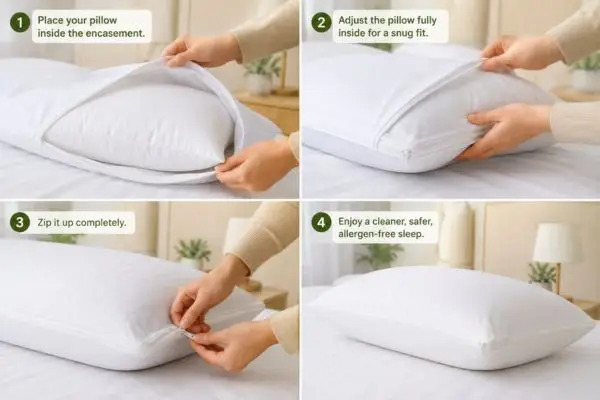
If your allergies are intense, double protection helps:
- Latex core
- Fully enclosed allergen-proof cover
- Weekly case washing
This layered approach creates the best pillow for an allergy-friendly environment.
The Pillow Protector Trick That Changed Everything
Here’s the biggest gap I see in most guides:
They recommend pillows — but ignore protectors.
A zippered, dust‑mite‑proof encasement is essential. It:
- Blocks allergens from entering
- Traps existing dust inside
- Makes cleaning easier
Honestly, combining a good protector with the best pillow for allergies matters more than brand name alone.
My Allergy-Friendly Pillow Care Routine
This routine reduced my morning congestion dramatically:
✅ Wash pillowcase weekly (hot water)
✅ Wash protector every 2–4 weeks
✅ Wash pillow (if washable) every 1–2 months
✅ Replace pillow every 1–2 years
✅ Keep humidity under 50%
Even the best pillow for allergies won’t help if you never clean it.
How to Choose Based on Sleep Position
Side Sleepers
Choose a higher-loft latex or an adjustable fill. Support prevents shoulder pressure.
Back Sleepers
Medium loft with responsive support works best.
Stomach Sleepers
Low loft, soft but breathable material.
Comfort still matters. The best pillow for allergies should support your spine while protecting your sinuses.
Signs It’s Time to Replace Your Pillow
- You wake up congested daily.
- The pillow smells musty.
- It won’t fluff back up.
- You’ve had it longer than 2 years.
Even the best pillow for allergies has a lifespan.
Final Thoughts
Finding the best pillow for allergies changed my sleep more than any mattress ever did.
It wasn’t about buying the most expensive option.
It was about:
- Choosing the right materials
- Using a zippered protector
- Washing consistently
- Replacing when needed
If you struggle with allergies, don’t overlook your pillow. The right one can mean the difference between waking up refreshed — or waking up reaching for tissues.
Frequently Asked Questions (FAQ)
1. What is the best pillow for allergies overall?
In my experience, a shredded natural latex pillow with an organic cotton cover and zippered protector is the best pillow for allergies because it combines breathability, dust resistance, and adjustability.
2. Are memory foam pillows good for allergy sufferers?
They can be — but only with a protective encasement. Memory foam resists microbes, but it’s not fully washable, so protection is key.
3. How often should I wash my pillow if I have allergies?
Pillowcase: weekly
Protector: every 2–4 weeks
Washable pillow: every 1–2 months
Consistency matters more than brand choice.
4. Are down pillows bad for allergies?
For most allergy sufferers, yes. Even cleaning down can trigger symptoms. Down alternative is usually safer.
5. Do hypoallergenic pillows really work?
They help — but no pillow is 100% allergen-proof. The real solution is combining the best pillow for allergies with proper cleaning and humidity control.